
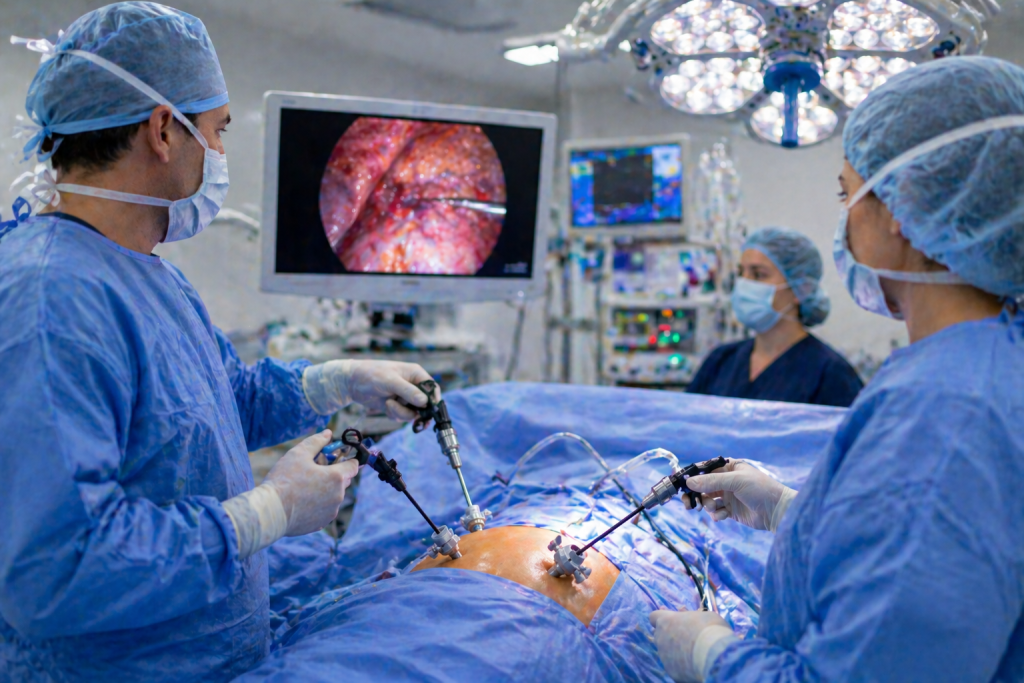
Bariatric Surgery for Obesity
Obesity as a Chronic Disease That Requires Medical Treatment
Obesity is not a temporary condition, a lack of willpower, or a failure of discipline. It is a chronic, progressive medical disease that alters how the body regulates hunger, metabolism, fat storage, and energy use. In patients with long-standing obesity, these physiologic systems become dysregulated in ways that actively oppose sustained weight loss, even when diet and exercise efforts are consistent and substantial.
As obesity progresses, hunger hormones increase, satiety signals weaken, and the body becomes more efficient at conserving calories. The brain defends a higher weight range, making weight regain after dieting not only common, but biologically expected. This is why most individuals experience repeated cycles of weight loss followed by regain, often accompanied by frustration and self-blame. The challenge is not motivation. The challenge is biology.
Why Bariatric Surgery Is an Effective Treatment for Obesity
Bariatric surgery, also referred to as weight loss surgery, was developed to address the biologic drivers of obesity rather than relying on willpower alone. While bariatric procedures do involve changes to stomach anatomy, their most powerful effects are metabolic and hormonal. Surgery reduces hunger signaling, improves early fullness, enhances insulin sensitivity, and resets the body’s defended weight range.
These physiologic changes allow patients to eat less without constant hunger and to maintain weight loss in a way that is rarely achievable with non-surgical treatment alone. For many patients, this represents the first time their effort aligns with their biology instead of working against it. Because of these effects, bariatric surgery is increasingly recognized as metabolic surgery, reflecting its role in treating obesity as a disease rather than simply producing weight loss.
What Bariatric Surgery Does and Does Not Do
Bariatric surgery is not a shortcut and it is not a cure by itself. It does not remove personal responsibility, eliminate the need for structured eating, or replace long-term lifestyle change. Instead, it functions as a medical tool that makes healthy behaviors achievable and sustainable.
When the physiologic resistance created by obesity is reduced, patients are able to eat appropriate portions, experience normal satiety, and maintain consistency without constant hunger or fatigue. Surgery does not do the work for the patient. It allows the patient’s effort to finally produce durable results.
Bariatric Surgery Performed in a Structured Bariatric Program
At Taylor Bariatric Institute, bariatric surgery is delivered within a structured, medically focused program designed for long-term success. Surgery is performed in a specialty bariatric hospital environment, supported by bariatric-trained anesthesia teams, nursing staff, and standardized safety protocols tailored to patients with obesity.
With more than two decades of bariatric experience, Jamokay Taylor evaluates each patient individually to determine whether bariatric surgery is appropriate and which procedure best aligns with medical history, anatomy, metabolic disease, and long-term health goals. Careful procedure selection and long-term follow-up are central to achieving durable outcomes.
Bariatric Surgery Risk Compared to the Risks of Untreated Obesity
Bariatric surgery is often perceived as the risky option, but the opposite is true. The risks of untreated obesity are far greater than the risks of surgery. Ongoing obesity significantly increases the likelihood of type 2 diabetes, heart disease, stroke, sleep apnea, fatty liver disease, joint degeneration, infertility, multiple cancers, and reduced life expectancy.
In experienced hands, bariatric surgery is among the safest abdominal operations performed today. When weighed against the long-term consequences of untreated obesity, surgery represents a risk-reducing intervention rather than a risk-creating one. For appropriate candidates, the improvement in health, mobility, quality of life, and longevity overwhelmingly outweighs the relatively small operative risks.
Bariatric surgery is a medically established treatment for obesity that targets the hormonal and metabolic drivers of weight gain, not just excess weight itself. By reducing hunger, improving satiety, and enhancing metabolic health, bariatric surgery allows patients to achieve durable weight loss and meaningful improvement in obesity-related disease. When performed within a structured bariatric program by an experienced bariatric surgeon, bariatric surgery becomes a powerful tool for long-term health and improved quality of life.
Understanding Bariatric Surgery as a Medical Treatment
Bariatric Surgery as Metabolic and Hormonal Therapy
Bariatric surgery is often misunderstood as a procedure that simply makes the stomach smaller. In reality, its most important effects occur at the metabolic and hormonal level. While anatomy is modified, the true power of bariatric surgery lies in how it changes appetite regulation, insulin signaling, food processing, and energy balance throughout the body.
After surgery, the communication between the stomach, intestines, pancreas, and brain changes in a fundamental way. Hunger signals are reduced, fullness occurs earlier, and the exaggerated drive to eat that characterizes obesity begins to quiet. These physiologic shifts explain why bariatric surgery produces more durable weight loss than diet-based approaches, even when patients consume fewer calories than they did before surgery.
How Bariatric Surgery Alters Appetite and Satiety
One of the defining features of obesity is dysregulated hunger. Many patients describe feeling hungry soon after eating, struggling with constant cravings, or feeling as though their appetite is out of proportion to their caloric needs. Bariatric surgery directly addresses this imbalance.
By altering stomach volume and gut hormone signaling, surgery reduces hunger intensity and improves the brain’s ability to recognize satiety. Patients feel full sooner and stay full longer, not because of forced restriction, but because appetite signaling becomes more appropriate. This shift allows patients to follow structured eating patterns without feeling deprived or exhausted by constant hunger.
Effects on Insulin Resistance and Metabolic Disease
Beyond appetite control, bariatric surgery has powerful effects on insulin resistance, which is a central driver of obesity-related disease. Many patients experience improvement in blood sugar regulation within days of surgery, often before significant weight loss has occurred. This early improvement highlights the metabolic impact of surgery rather than a simple calorie effect.
As insulin sensitivity improves, fat storage decreases, energy utilization becomes more efficient, and metabolic stress on organs such as the liver and pancreas is reduced. These changes explain why bariatric surgery is one of the most effective treatments for type 2 diabetes and metabolic syndrome.
Why Surgery Produces More Durable Results Than Dieting
Diet-based weight loss relies on sustained caloric restriction in the setting of an unchanged biologic environment. Over time, the body adapts by lowering metabolic rate and increasing hunger, making long-term success difficult. Bariatric surgery changes that environment.
After surgery, the body no longer defends a high weight set point as aggressively. Hunger hormones decrease, satiety signals strengthen, and metabolic efficiency normalizes. This allows patients to maintain weight loss with far less physiologic resistance than they experienced before surgery. In this way, surgery does not replace effort, but it makes effort effective.
Bariatric Surgery as a Tool Within a Long-Term Treatment Plan
It is important to recognize that bariatric surgery is not a stand-alone cure. It functions as a tool within a long-term treatment plan for obesity. Surgery creates the physiologic conditions necessary for success, but lasting results depend on how that tool is used.
Patients who engage in follow-up care, adopt structured eating habits, prioritize protein intake, maintain hydration, and incorporate physical activity are far more likely to preserve their weight loss and health improvements. Surgery opens the door. Long-term habits determine how far patients walk through it.
Bariatric surgery works by altering the metabolic and hormonal drivers of obesity rather than relying on calorie restriction alone. By reducing hunger, improving satiety, and enhancing insulin sensitivity, surgery creates a physiologic environment that supports durable weight loss and metabolic health. When used as part of a long-term treatment plan, bariatric surgery becomes a powerful and sustainable medical therapy for obesity.
Types of Bariatric Surgery and How They Differ
Why There Is More Than One Type of Bariatric Surgery
Bariatric surgery is not a single operation, and no one procedure is right for every patient. Different bariatric procedures are designed to address obesity through distinct anatomic and metabolic mechanisms. Factors such as eating patterns, reflux symptoms, diabetes severity, prior abdominal surgery, and long-term health goals all influence which procedure offers the best balance of safety and effectiveness.
Understanding the differences between procedures helps patients make informed decisions and clarifies why individualized surgical planning is essential. The goal is not to choose the most aggressive option, but the one that best aligns with the patient’s physiology and medical needs.
Sleeve Gastrectomy as a Restrictive and Hormonal Procedure
Sleeve gastrectomy works primarily through restriction and hormonal change. By removing a large portion of the stomach, the procedure reduces how much food can be eaten at one time and lowers production of ghrelin, the primary hunger hormone. Many patients experience a noticeable reduction in appetite and earlier fullness after surgery.
Because the intestines are not rerouted, digestion remains relatively normal, and nutrient absorption is largely preserved. This makes the sleeve appealing to patients who want a more straightforward operation with strong appetite control and fewer long-term nutritional complexities. However, because the sleeve is a higher-pressure system, it may not be ideal for patients with severe acid reflux or those who require stronger metabolic effects.
Gastric Bypass as a Restrictive and Metabolic Procedure
Gastric bypass combines restriction with powerful metabolic effects. The procedure creates a small stomach pouch and reroutes food away from part of the stomach and small intestine. This leads to reduced portion size, slower food transit, and significant hormonal changes that affect appetite and blood sugar regulation.
The bypass is especially effective for patients with type 2 diabetes, severe reflux, or obesity that has not responded well to restrictive approaches alone. Because of its metabolic strength, gastric bypass often produces more durable weight loss in patients who need greater physiologic support. The tradeoff is the need for lifelong vitamin supplementation and closer nutritional monitoring.
Revision and Conversion Surgery for Changing Needs Over Time
Some patients require revisional or conversion surgery when their original bariatric procedure no longer meets their needs. This can happen due to anatomical changes, persistent reflux, food intolerance, or physiologic weight regain. Revision surgery is not a failure. It reflects the reality that obesity is a chronic disease and that treatment may need to evolve over time.
Conversion procedures, such as changing a sleeve gastrectomy to a gastric bypass, allow surgeons to correct high-pressure anatomy and provide stronger metabolic support when needed. These procedures require careful evaluation and significant surgical expertise, but they can restore comfort, improve eating tolerance, and reestablish durable weight control for appropriate patients.
How Procedure Selection Is Individualized
Choosing the right bariatric procedure involves far more than body mass index alone. Surgeons consider a wide range of factors, including eating behaviors, hunger patterns, reflux symptoms, diabetes control, prior surgeries, and the patient’s ability to commit to long-term follow-up and supplementation.
A procedure that works exceptionally well for one patient may be less effective or less safe for another. Individualized evaluation ensures that the operation selected provides the greatest long-term benefit with the lowest risk, rather than applying a one-size-fits-all approach.
High-Level Differences Between Bariatric Procedures (Mini-List)
- Sleeve gastrectomy emphasizes restriction and appetite hormone reduction
- Gastric bypass provides stronger metabolic and anti-reflux effects
- Bypass requires lifelong vitamin supplementation and monitoring
- Sleeve preserves a more natural digestive pathway
- Conversion surgery addresses anatomy or symptoms that change over time
- Procedure choice depends on physiology, symptoms, and long-term goals
There are multiple types of bariatric surgery because obesity presents differently in each patient. Sleeve gastrectomy, gastric bypass, and revisional procedures each offer distinct advantages depending on anatomy, metabolic disease, and symptoms such as reflux or hunger severity. Careful, individualized procedure selection ensures that bariatric surgery functions as a long-term solution rather than a temporary intervention.
Types of Bariatric Surgery and How They Different
Why There Is More Than One Type of Bariatric Surgery
Bariatric surgery is not a single operation, and no one procedure is right for every patient. Different bariatric procedures are designed to address obesity through distinct anatomic and metabolic mechanisms. Factors such as eating patterns, reflux symptoms, diabetes severity, prior abdominal surgery, and long-term health goals all influence which procedure offers the best balance of safety and effectiveness.
Understanding the differences between procedures helps patients make informed decisions and clarifies why individualized surgical planning is essential. The goal is not to choose the most aggressive option, but the one that best aligns with the patient’s physiology and medical needs.
Sleeve Gastrectomy as a Restrictive and Hormonal Procedure
Sleeve gastrectomy works primarily through restriction and hormonal change. By removing a large portion of the stomach, the procedure reduces how much food can be eaten at one time and lowers production of ghrelin, the primary hunger hormone. Many patients experience a noticeable reduction in appetite and earlier fullness after surgery.
Because the intestines are not rerouted, digestion remains relatively normal, and nutrient absorption is largely preserved. This makes the sleeve appealing to patients who want a more straightforward operation with strong appetite control and fewer long-term nutritional complexities. However, because the sleeve is a higher-pressure system, it may not be ideal for patients with severe acid reflux or those who require stronger metabolic effects.
Gastric Bypass as a Restrictive and Metabolic Procedure
Gastric bypass combines restriction with powerful metabolic effects. The procedure creates a small stomach pouch and reroutes food away from part of the stomach and small intestine. This leads to reduced portion size, slower food transit, and significant hormonal changes that affect appetite and blood sugar regulation.
The bypass is especially effective for patients with type 2 diabetes, severe reflux, or obesity that has not responded well to restrictive approaches alone. Because of its metabolic strength, gastric bypass often produces more durable weight loss in patients who need greater physiologic support. The tradeoff is the need for lifelong vitamin supplementation and closer nutritional monitoring.
Revision and Conversion Surgery for Changing Needs Over Time
Some patients require revisional or conversion surgery when their original bariatric procedure no longer meets their needs. This can happen due to anatomical changes, persistent reflux, food intolerance, or physiologic weight regain. Revision surgery is not a failure. It reflects the reality that obesity is a chronic disease and that treatment may need to evolve over time.
Conversion procedures, such as changing a sleeve gastrectomy to a gastric bypass, allow surgeons to correct high-pressure anatomy and provide stronger metabolic support when needed. These procedures require careful evaluation and significant surgical expertise, but they can restore comfort, improve eating tolerance, and reestablish durable weight control for appropriate patients.
How Procedure Selection Is Individualized
Choosing the right bariatric procedure involves far more than body mass index alone. Surgeons consider a wide range of factors, including eating behaviors, hunger patterns, reflux symptoms, diabetes control, prior surgeries, and the patient’s ability to commit to long-term follow-up and supplementation.
A procedure that works exceptionally well for one patient may be less effective or less safe for another. Individualized evaluation ensures that the operation selected provides the greatest long-term benefit with the lowest risk, rather than applying a one-size-fits-all approach.
There are multiple types of bariatric surgery because obesity presents differently in each patient. Sleeve gastrectomy, gastric bypass, and revisional procedures each offer distinct advantages depending on anatomy, metabolic disease, and symptoms such as reflux or hunger severity. Careful, individualized procedure selection ensures that bariatric surgery functions as a long-term solution rather than a temporary intervention.
Who Is a Candidate for Bariatric Surgery
Medical Criteria for Bariatric Surgery Eligibility
Candidacy for bariatric surgery is based on well-established medical criteria that reflect both body weight and overall health. These criteria exist to ensure that surgery is offered to patients who are most likely to benefit and least likely to be harmed. In general, bariatric surgery is recommended for individuals with severe obesity or obesity complicated by significant medical conditions.
Most candidates meet one of the following thresholds: a body mass index of 40 or higher, or a body mass index between 35 and 39.9 in the presence of obesity-related diseases such as type 2 diabetes, high blood pressure, sleep apnea, fatty liver disease, or severe joint disease. In select cases, patients with a body mass index between 30 and 34.9 may be considered when metabolic disease is severe and resistant to medical therapy. These decisions are individualized and grounded in risk–benefit analysis rather than rigid numbers alone.
Obesity-Related Conditions That Strengthen Candidacy
Bariatric surgery is not performed solely to reduce weight. It is performed to improve health. Many patients become candidates because obesity has begun to affect critical organ systems and quality of life. Metabolic disease, cardiovascular risk, and functional limitations often drive the decision to pursue surgery.
Patients with poorly controlled diabetes, progressive insulin resistance, worsening sleep apnea, or declining mobility frequently experience the greatest benefit. In these cases, bariatric surgery functions as disease-modifying therapy rather than cosmetic intervention. Improvement in these conditions often begins early after surgery and continues as weight loss progresses.
Behavioral Readiness and Long-Term Commitment
Successful bariatric surgery requires more than meeting numeric criteria. Patients must also demonstrate readiness to engage in long-term care. This includes willingness to follow dietary guidelines, attend follow-up visits, take prescribed vitamin supplements, and incorporate physical activity into daily life.
Behavioral readiness does not mean perfection. It means understanding that surgery is a tool and that outcomes depend on how that tool is used. Patients who are willing to learn, adapt, and stay engaged with their care team tend to achieve the most durable results. Those expectations are discussed clearly during the evaluation process.
Factors That Influence Procedure Selection
Not all candidates are best served by the same operation. Procedure selection depends on a combination of medical history, anatomy, symptoms, and metabolic needs. For example, patients with severe acid reflux or poorly controlled diabetes may benefit more from gastric bypass, while others with strong portion-control challenges and minimal reflux may do well with sleeve gastrectomy.
Prior abdominal surgery, medication requirements, nutritional considerations, and patient preference also influence decision-making. The goal is not to fit the patient to a procedure, but to select the procedure that best fits the patient.
When Bariatric Surgery May Not Be Appropriate
There are situations in which bariatric surgery may need to be delayed or reconsidered. Active nicotine use, uncontrolled psychiatric illness, untreated eating disorders, or inability to participate in follow-up care can increase risk and compromise outcomes. In these cases, addressing the underlying issue first improves safety and long-term success.
Importantly, these factors are not permanent disqualifiers in most cases. They represent areas where additional support, treatment, or preparation is needed before surgery can be safely pursued.
Evaluation Process for Determining Candidacy
Determining candidacy involves a structured medical evaluation that includes review of medical history, current medications, prior weight-loss efforts, and obesity-related conditions. Diagnostic testing and specialty consultations may be used to clarify risk and guide procedure selection.
At Taylor Bariatric Institute, candidacy decisions are made through individualized assessment rather than formulaic rules. Patients are educated on risks, benefits, alternatives, and long-term expectations so they can make informed decisions about their care.
Key Elements of Bariatric Surgery Candidacy (Mini-List)
- Body mass index within accepted surgical ranges
- Presence of obesity-related medical conditions
- Documented difficulty achieving durable weight loss
- Willingness to engage in long-term follow-up care
- Ability to adhere to dietary and vitamin guidelines
- Medical and psychological readiness for surgery
Bariatric surgery candidacy is determined by a combination of medical criteria, obesity-related disease burden, and readiness for long-term care. Surgery is offered to patients who are most likely to experience meaningful health improvement and sustained benefit. Individualized evaluation ensures that both candidacy and procedure selection are aligned with each patient’s medical needs and long-term goals.
Benefits of Bariatric Surgery Beyond Weight Loss
Bariatric Surgery as Treatment for Metabolic Disease
While weight loss is the most visible outcome of bariatric surgery, the most important benefits often occur internally. Bariatric surgery improves how the body regulates blood sugar, insulin, cholesterol, and inflammation. These metabolic effects explain why many patients see rapid improvement in obesity-related diseases, sometimes even before significant weight loss has occurred.
For patients with insulin resistance or type 2 diabetes, bariatric surgery can dramatically reduce medication requirements and, in many cases, lead to remission. This improvement reflects changes in gut hormones and insulin signaling rather than simple calorie reduction. Surgery modifies the underlying disease process, not just the symptom of excess weight.
Cardiovascular and Blood Pressure Improvements
Obesity places chronic strain on the cardiovascular system. High blood pressure, abnormal cholesterol levels, and inflammation increase the risk of heart attack and stroke over time. Bariatric surgery reduces these risks by lowering body weight, improving insulin sensitivity, and decreasing systemic inflammation.
As weight decreases and metabolic health improves, many patients experience normalization of blood pressure and lipid levels. This reduces long-term cardiovascular risk and can significantly improve life expectancy. For many patients, these benefits are among the most meaningful outcomes of surgery.
Improvement in Sleep Apnea and Respiratory Health
Sleep apnea is one of the most common and dangerous complications of obesity. Interrupted breathing during sleep increases the risk of heart disease, arrhythmias, stroke, and daytime fatigue. Bariatric surgery often leads to substantial improvement or resolution of sleep apnea as weight decreases and airway mechanics improve.
Patients frequently report better sleep quality, reduced snoring, and increased daytime energy. In many cases, continuous positive airway pressure therapy can be reduced or discontinued under medical supervision, improving both comfort and adherence.
Musculoskeletal Function and Mobility
Excess body weight places continuous stress on joints, particularly the knees, hips, and lower back. Over time, this leads to chronic pain, reduced mobility, and limitations in daily activity. Bariatric surgery reduces mechanical load on the joints, allowing patients to move more comfortably and remain active.
Improved mobility supports further health gains by making physical activity more achievable. Many patients find they can return to activities they had abandoned years earlier, such as walking longer distances, exercising regularly, or participating in daily routines without pain.
Psychological Well-Being and Quality of Life
The psychological impact of bariatric surgery is significant and often underestimated. As physical health improves, many patients experience increased confidence, improved mood, and reduced anxiety related to weight and health concerns. Regaining a sense of control over eating and health can be profoundly empowering.
Quality of life improvements extend beyond self-image. Patients frequently report better work performance, greater social engagement, and improved relationships as physical limitations and health-related stress decrease.
Longevity and Long-Term Health Outcomes
Large population studies have shown that bariatric surgery is associated with reduced long-term mortality compared to non-surgical management of severe obesity. Improvements in cardiovascular health, diabetes control, cancer risk factors, and overall metabolic function contribute to these outcomes.
Bariatric surgery does not simply add years to life. It often adds healthy, functional years, allowing patients to remain active and independent for longer periods.
Common Health Benefits of Bariatric Surgery (Mini-List)
- Improved or resolved type 2 diabetes
- Lower blood pressure and cholesterol levels
- Reduced risk of heart attack and stroke
- Improvement or resolution of sleep apnea
- Decreased joint pain and improved mobility
- Enhanced energy and physical endurance
- Improved mental health and quality of life
The benefits of bariatric surgery extend far beyond weight loss. By improving metabolic health, cardiovascular risk, respiratory function, mobility, and psychological well-being, surgery addresses many of the most serious consequences of obesity. These improvements contribute to longer life expectancy, better daily functioning, and a higher quality of life for appropriate candidates.
Understanding the Risks of Bariatric Surgery
Why Every Medical Treatment Carries Risk
All medical treatments involve some degree of risk, and bariatric surgery is no exception. Surgery changes anatomy, alters physiology, and requires anesthesia, all of which introduce potential complications. A responsible discussion of bariatric surgery must include a clear explanation of these risks so patients can make informed decisions based on facts rather than fear.
Importantly, risk should always be understood in context. The question is not whether bariatric surgery carries risk, but whether that risk is acceptable when compared to the ongoing health consequences of untreated obesity. For many patients, surgery represents a risk-reducing intervention rather than a risk-increasing one.
Common Surgical Risks Associated With Bariatric Procedures
The risks associated with bariatric surgery are similar to those of other abdominal operations and include bleeding, infection, blood clots, and complications related to anesthesia. Advances in minimally invasive techniques, standardized protocols, and improved perioperative care have significantly reduced these risks over time.
In experienced bariatric programs, the overall rate of serious complications is low. Most issues that do occur are identified early and managed effectively with prompt treatment and close follow-up.
Procedure-Specific Risks and How They Are Managed
Different bariatric procedures carry different risk profiles. Sleeve gastrectomy has a small risk of staple-line leak and reflux-related symptoms. Gastric bypass carries risks related to intestinal connections, such as ulcers, strictures, or nutritional deficiencies if supplementation is not followed. Revisional and conversion surgeries are more technically complex but can be performed safely when undertaken by surgeons with appropriate experience.
Careful procedure selection, meticulous surgical technique, and patient education are essential to minimizing these risks. At Taylor Bariatric Institute, risk mitigation begins well before surgery through thorough evaluation, testing, and preparation.
Nutritional Risks and the Importance of Follow-Up Care
Some bariatric procedures alter nutrient absorption, making long-term vitamin and mineral supplementation necessary. Deficiencies can develop if supplementation and follow-up care are neglected, but they are largely preventable when patients remain engaged with their care team.
Routine follow-up visits allow for monitoring of nutritional levels, early detection of deficiencies, and adjustment of supplementation as needed. Patients who adhere to follow-up recommendations typically maintain excellent nutritional health after surgery.
The Role of Surgical Experience in Risk Reduction
Surgical experience plays a significant role in outcomes. High-volume bariatric surgeons consistently demonstrate lower complication rates, shorter operative times, and more predictable recoveries. Experience is particularly important for complex cases, including revisional or conversion procedures.
With more than two decades of bariatric surgical experience, Jamokay Taylor approaches risk assessment and surgical planning with an emphasis on safety, precision, and long-term outcomes. This experience informs not only how surgery is performed, but also when surgery should or should not be recommended.
Risk of Surgery Compared to Risk of Untreated Obesity
When considering bariatric surgery, it is essential to compare surgical risk with the risk of remaining obese. Untreated obesity increases the likelihood of diabetes, cardiovascular disease, stroke, sleep apnea, fatty liver disease, joint degeneration, and several cancers. These conditions progress over time and often worsen despite medical therapy.
For appropriate candidates, the risks of untreated obesity are far greater than the risks of surgery. Bariatric surgery has been shown to reduce long-term mortality and improve overall health when compared to non-surgical management of severe obesity.
Key Risks Patients Should Understand (Mini-List)
- Bleeding or infection after surgery
- Blood clots related to immobility or medical risk factors
- Procedure-specific complications such as leaks or strictures
- Nutritional deficiencies without proper supplementation
- Need for long-term follow-up and adherence to guidelines
Bariatric surgery carries risks, as all medical treatments do, but these risks are generally low when surgery is performed in experienced bariatric programs. Procedure selection, surgical expertise, and long-term follow-up play critical roles in minimizing complications. When weighed against the serious and progressive risks of untreated obesity, bariatric surgery often represents a safer and more effective path toward long-term health.
The Risks of Untreated Obesity
Obesity as a Progressive, Life-Shortening Disease
Untreated obesity is not a static condition. It is a progressive disease that worsens over time and affects nearly every organ system in the body. As weight increases and metabolic dysfunction deepens, the body experiences escalating physiologic stress that cannot be fully reversed with medications or lifestyle changes alone. Many of the most serious consequences of obesity develop gradually, which is why they are often underestimated or normalized until significant damage has already occurred.
Obesity alters inflammatory pathways, hormone signaling, and cardiovascular function in ways that accelerate disease. Over time, this leads to compounding health risks rather than isolated problems. Without effective intervention, obesity tends to advance, bringing with it increasing medical complexity and declining quality of life.
Cardiovascular Disease and Metabolic Complications
One of the most significant risks of untreated obesity is cardiovascular disease. Excess weight places constant strain on the heart and blood vessels, increasing the likelihood of high blood pressure, abnormal cholesterol levels, and atherosclerosis. These changes dramatically raise the risk of heart attack, stroke, heart failure, and sudden cardiac death.
Obesity is also closely linked to insulin resistance and type 2 diabetes. As insulin resistance worsens, blood sugar becomes harder to control, often requiring escalating medication regimens. Poorly controlled diabetes damages blood vessels, nerves, kidneys, and vision, and it significantly increases cardiovascular risk. These conditions often progress silently until complications become severe or irreversible.
Respiratory Disease and Sleep Apnea
Excess body weight affects breathing mechanics and airway stability, contributing to obstructive sleep apnea and chronic respiratory strain. Sleep apnea disrupts normal oxygen levels during sleep, placing stress on the heart and increasing the risk of arrhythmias, hypertension, stroke, and sudden death.
Beyond cardiovascular risk, sleep apnea causes profound daytime fatigue, impaired concentration, and reduced quality of life. Untreated sleep-disordered breathing often worsens as weight increases, and medical therapy alone may become insufficient over time.
Musculoskeletal Degeneration and Functional Decline
The mechanical burden of excess weight accelerates joint degeneration, particularly in the knees, hips, and lower back. Over time, this leads to chronic pain, reduced mobility, and limitations in daily activity. Many individuals with untreated obesity find that pain restricts their ability to exercise, creating a cycle in which weight gain and physical decline reinforce one another.
As mobility decreases, independence is threatened. Simple tasks such as walking, climbing stairs, or standing for extended periods may become increasingly difficult, contributing to social withdrawal and reduced participation in work and family life.
Liver Disease, Cancer Risk, and Organ Damage
Obesity is a leading cause of fatty liver disease, which can progress to inflammation, fibrosis, cirrhosis, and liver failure. This progression often occurs silently, with few symptoms until advanced disease is present. Obesity also increases the risk of gallbladder disease, kidney disease, and reproductive disorders.
In addition, untreated obesity is associated with increased risk of several cancers, including cancers of the breast, colon, pancreas, kidney, liver, and endometrium. Chronic inflammation, hormonal imbalance, and insulin resistance contribute to this elevated risk, further underscoring obesity’s role as a systemic disease rather than a cosmetic concern.
Psychological Impact and Quality of Life
The effects of untreated obesity extend beyond physical health. Many individuals experience depression, anxiety, social stigma, and diminished self-esteem as weight-related health problems accumulate. Chronic fatigue, pain, and medical complexity can erode motivation and emotional resilience over time.
Quality of life often declines gradually, making it difficult for patients to recognize how much their health and daily functioning have been compromised. Without effective intervention, these emotional and psychological burdens frequently intensify alongside physical disease.
Why Medical Management Alone Often Falls Short
Medications and lifestyle interventions play an important role in managing obesity, but for many patients with severe or long-standing disease, these approaches are not sufficient to halt progression. As metabolic resistance increases, the body defends higher weight levels more aggressively, limiting the effectiveness of non-surgical strategies.
This is why obesity is increasingly treated using disease-modifying approaches rather than symptom management alone. In appropriate candidates, bariatric surgery offers a way to interrupt the progression of obesity and reduce long-term health risk rather than attempting to manage complications after they arise.
Risk of Inaction Compared to Surgical Intervention
When patients consider bariatric surgery, fear often centers on the risks of the operation itself. However, the more meaningful comparison is between the risks of surgery and the risks of continued obesity. In this context, the risks of untreated obesity are far greater than the risks of surgery.
For appropriate candidates, bariatric surgery has been shown to reduce long-term mortality, improve metabolic disease, and enhance quality of life. At Taylor Bariatric Institute, this comparison is a central part of patient education, helping individuals make decisions based on long-term health rather than short-term fear.
Untreated obesity is a progressive disease that increases the risk of cardiovascular disease, diabetes, sleep apnea, joint degeneration, liver disease, cancer, and reduced life expectancy. These risks accumulate over time and often worsen despite medical therapy alone. When compared objectively, the long-term risks of untreated obesity substantially exceed the risks associated with bariatric surgery in appropriate candidates. Addressing obesity proactively can prevent irreversible damage and preserve long-term health and quality of life.
Life After Bariatric Surgery and Long-Term Success
Bariatric Surgery as the Beginning, Not the Finish Line
Bariatric surgery creates the physiologic conditions needed for success, but long-term outcomes are shaped by what happens after surgery. The operation reduces hunger, improves satiety, and enhances metabolic health, making healthy behaviors achievable. What it does not do is automatically establish habits. Patients who understand surgery as the beginning of a structured, long-term approach to health tend to experience the most durable results.
This perspective is important because obesity is a chronic disease. Just as diabetes or hypertension requires ongoing management, bariatric surgery requires continued engagement. When patients align daily routines with the changes created by surgery, weight loss stabilizes, health improves, and quality of life increases in a sustained way.
Structured Eating Patterns and Portion Awareness
After bariatric surgery, eating patterns change fundamentally. Smaller portions are required, meals need to be structured, and food choices matter more than before. Surgery supports these changes by reducing hunger and increasing fullness, but patients must still eat intentionally.
Most long-term success comes from prioritizing protein, eating slowly, and stopping when comfortably full. Skipping meals, grazing throughout the day, or relying on calorie-dense liquids can undermine results even when surgery is technically successful. Over time, patients who adopt consistent meal timing and mindful portion awareness find that eating feels simpler and more predictable than it did before surgery.
Hydration, Vitamins, and Nutritional Responsibility
Hydration becomes a daily priority after bariatric surgery. Because stomach capacity is reduced, patients must sip fluids throughout the day rather than consuming large volumes at once. Proper hydration supports energy, digestion, kidney function, and overall well-being. Dehydration is one of the most common early challenges, but it is easily prevented with consistent attention.
Vitamin and mineral supplementation is equally important. Some bariatric procedures alter absorption, making lifelong supplementation necessary. Others require supplementation to maintain optimal metabolic function even when absorption is preserved. Regular follow-up allows for monitoring of nutritional levels and adjustment of supplements as needed, preventing long-term deficiencies.
Physical Activity as a Tool for Weight Maintenance
Physical activity plays a central role in maintaining weight loss and improving health after surgery. Early on, activity may be limited to walking and gentle movement, but over time most patients are encouraged to build a consistent routine that includes cardiovascular exercise and, when appropriate, strength training.
Exercise supports muscle preservation, improves insulin sensitivity, enhances mood, and reduces stress. Perhaps most importantly, it reinforces the metabolic benefits of surgery by helping the body maintain weight loss rather than gradually regaining it. Patients who view activity as part of daily life rather than a temporary requirement tend to maintain better long-term outcomes.
Follow-Up Care and Long-Term Accountability
Regular follow-up is one of the strongest predictors of success after bariatric surgery. Scheduled visits allow for early identification of nutritional issues, reinforcement of healthy habits, and timely intervention when challenges arise. These visits also provide accountability and reassurance as patients navigate changes in weight, appetite, and self-image.
At Taylor Bariatric Institute, long-term follow-up is emphasized as part of comprehensive care. Ongoing engagement with the bariatric team helps patients adapt to life after surgery and sustain improvements over time rather than experiencing cycles of progress and setback.
Psychological Adjustment and Relationship With Food
Life after bariatric surgery often includes psychological adjustments. As hunger decreases and eating patterns change, patients may notice shifts in how they relate to food, stress, and social situations. These changes can be positive but may also feel unfamiliar at first.
Developing non-food coping strategies, recognizing emotional triggers, and building supportive routines are important parts of long-term success. Patients who approach these adjustments with patience and curiosity tend to feel more confident and in control as they adapt to their new physiology.
Common Habits That Support Long-Term Success (Mini-List)
- Eating structured meals rather than grazing
- Prioritizing protein at each meal
- Drinking fluids consistently throughout the day
- Avoiding calorie-dense liquids and frequent snacking
- Incorporating regular physical activity
- Attending scheduled follow-up appointments
- Taking prescribed vitamins and supplements
The Role of the Bariatric Surgeon in Long-Term Outcomes
Long-term success is influenced not only by patient effort but also by the quality of surgical care and follow-up guidance. Experienced bariatric surgeons understand how anatomy, behavior, and metabolism interact over time and can provide tailored recommendations as patients progress.
With extensive experience managing both primary and revisional bariatric procedures, Jamokay Taylor emphasizes long-term partnership rather than episodic care. This approach helps patients navigate plateaus, lifestyle transitions, and evolving health needs years after surgery.
Life after bariatric surgery requires intentional habits, ongoing follow-up, and adaptation to a new physiologic environment. Structured eating, hydration, physical activity, and vitamin supplementation are essential for maintaining results. Regular engagement with the bariatric care team supports accountability, early intervention, and sustained success. When surgery is paired with consistent long-term care, patients are well positioned to preserve health improvements and quality of life for years to come.
Sleeve Gastrectomy vs Gastric Bypass – How to Decide
Why Choosing the Right Procedure Matters
Selecting between Sleeve Gastrectomy and Roux-en-Y Gastric Bypass is one of the most important decisions in bariatric care. Both procedures are effective treatments for obesity, but they work through different mechanisms and suit different physiologic needs. The best choice depends on how a patient eats, how their body regulates hunger and blood sugar, whether reflux is present, and what long-term goals need to be addressed.
This decision is not about choosing the “strongest” operation. It is about choosing the operation that best aligns with the patient’s anatomy, symptoms, and metabolic profile to produce durable results with the lowest risk.
How Sleeve Gastrectomy Works Best
Sleeve gastrectomy primarily helps through restriction and hormonal change. By removing a large portion of the stomach, the procedure reduces meal size and lowers production of ghrelin, the primary hunger hormone. Many patients experience earlier fullness and a quieter appetite, which supports portion control and structured eating.
Because the intestines are not rerouted, digestion and absorption remain largely intact. This makes the sleeve appealing to patients who prefer a more straightforward anatomic change and fewer long-term nutritional complexities. For individuals whose main challenge is portion size rather than metabolic disease, the sleeve can be highly effective.
However, the sleeve creates a higher-pressure stomach system. In some patients, this pressure can worsen acid reflux or limit tolerance of dense foods. For these individuals, the sleeve may be less ideal over time.
How Gastric Bypass Works Best
Gastric bypass combines restriction with powerful metabolic effects. The procedure creates a small stomach pouch and reroutes food away from part of the stomach and small intestine. This produces earlier fullness, slower food transit, and significant hormonal changes that improve insulin sensitivity and appetite regulation.
Bypass is particularly effective for patients with severe reflux, poorly controlled diabetes, or obesity that has not responded well to restrictive approaches alone. Because food bypasses the acid-producing portion of the stomach, reflux symptoms often improve dramatically. The tradeoff is the need for lifelong vitamin supplementation and closer nutritional monitoring.
For patients who need stronger metabolic support or reliable reflux control, gastric bypass often provides more durable results.
Reflux as a Key Deciding Factor
Reflux is one of the most important factors when choosing between sleeve and bypass. Patients with mild or no reflux may do well with either procedure. However, patients with severe, medication-dependent reflux, nighttime regurgitation, or esophageal inflammation are often better served by gastric bypass.
Sleeve gastrectomy can increase intragastric pressure, which may worsen reflux in susceptible individuals. Gastric bypass, by contrast, creates a low-pressure system and routes food away from acid production, making it the preferred option when reflux is a dominant symptom.
Diabetes and Metabolic Disease Considerations
Both procedures improve diabetes, but the degree and durability of improvement can differ. Sleeve gastrectomy often leads to better blood sugar control as weight decreases and appetite quiets. Gastric bypass frequently produces earlier and more pronounced metabolic effects, sometimes improving blood sugar within days of surgery.
Patients with long-standing or poorly controlled diabetes, insulin dependence, or significant insulin resistance often benefit more from gastric bypass due to its stronger metabolic impact. This difference reflects hormonal changes rather than calorie reduction alone.
Eating Patterns and Lifestyle Fit
Eating behavior plays a major role in procedure selection. Patients who tend to eat larger portions but tolerate most foods may do well with the sleeve. Those who struggle with frequent grazing, rapid hunger return, or sugar-driven eating patterns may benefit from the controlled outlet and metabolic effects of bypass.
Long-term success with either operation depends on adherence to dietary guidelines, hydration, physical activity, and follow-up care. The goal is to choose the procedure that best supports sustainable habits rather than fighting against them.
Long-Term Flexibility and Future Options
Another consideration is long-term flexibility. Sleeve gastrectomy can be converted to gastric bypass if reflux, food intolerance, or physiologic weight regain develops. This provides an option for escalation if needs change over time. Gastric bypass is typically a definitive operation, though revisional options exist for select cases.
Understanding how needs may evolve helps patients choose a procedure that fits both present circumstances and potential future scenarios.
High-Level Comparison to Guide Decision-Making (Mini-List)
- Sleeve gastrectomy emphasizes restriction and appetite hormone reduction
- Gastric bypass provides stronger metabolic and anti-reflux effects
- Sleeve preserves a more natural digestive pathway
- Bypass requires lifelong vitamin supplementation and monitoring
- Severe reflux favors bypass
- Advanced diabetes often favors bypass
- Portion-control challenges may respond well to sleeve
- Both procedures require long-term lifestyle commitment
Both sleeve gastrectomy and gastric bypass are effective treatments for obesity, but they serve different physiologic needs. Sleeve gastrectomy is well suited for patients seeking restriction with fewer anatomic changes, while gastric bypass offers stronger metabolic support and superior reflux control. Careful consideration of reflux symptoms, diabetes severity, eating patterns, and long-term goals helps determine which procedure provides the best balance of benefit and risk for each patient.
How Bariatric Surgery Fits Into a Long-Term Obesity Treatment Plan
Obesity Requires Ongoing, Disease-Focused Management
Obesity behaves like other chronic diseases in that it evolves over time and requires ongoing management rather than one-time intervention. Short-term strategies may produce temporary improvements, but without durable physiologic change, the disease often progresses. Bariatric surgery fits into obesity care as a disease-modifying therapy that changes the underlying biology driving weight gain and metabolic dysfunction.
Importantly, surgery is not positioned as a replacement for all other treatments. Instead, it functions within a broader plan that may include nutritional counseling, physical activity, behavioral strategies, and, when appropriate, medication. The goal is to align multiple tools so that progress is sustainable rather than episodic.
Surgery as the Foundation for Durable Metabolic Change
For many patients with severe or long-standing obesity, bariatric surgery provides the physiologic foundation needed for long-term success. By reducing hunger signaling, improving satiety, and enhancing insulin sensitivity, surgery creates an environment in which healthy behaviors can be maintained without constant resistance.
Different procedures contribute differently to this foundation. For example, Sleeve Gastrectomy supports portion control and appetite hormone reduction, while Roux-en-Y Gastric Bypass adds stronger metabolic effects and reliable reflux control. Integrating the right procedure into a long-term plan helps ensure that physiologic support matches the patient’s needs.
The Role of Nutrition and Physical Activity After Surgery
Surgery changes physiology, but long-term outcomes depend on how patients use that change. Structured nutrition remains essential. Protein prioritization, hydration, and meal regularity reinforce the satiety and appetite control created by surgery. Over time, these patterns help stabilize weight and preserve metabolic health.
Physical activity complements surgical effects by supporting muscle mass, insulin sensitivity, cardiovascular health, and mood. Patients are not expected to exercise intensely immediately, but building a consistent routine over time strengthens the durability of weight loss and improves overall health.
Behavioral Strategies and Psychological Support
Behavioral patterns influence outcomes even after surgery. Stress, sleep disruption, emotional eating, and environmental cues can affect consistency if not addressed. Bariatric surgery often reduces hunger and cravings, which makes behavioral change more achievable, but awareness and adaptation are still required.
Long-term treatment plans recognize that psychological adjustment is part of recovery. Developing non-food coping strategies, maintaining routines, and addressing setbacks early helps prevent cycles of regain and frustration. This approach treats obesity as a whole-person condition rather than a number on a scale.
Medication Use Before and After Bariatric Surgery
In some cases, medication remains part of obesity management before or after surgery. Preoperatively, medications may be used to optimize metabolic health or reduce surgical risk. Postoperatively, medications can support patients who experience plateaus or physiologic weight regain.
Rather than viewing medication and surgery as competing options, a long-term plan integrates them when appropriate. The decision to use medication is individualized and based on metabolic response, anatomy, and overall health goals.
Monitoring, Adjustment, and Long-Term Follow-Up
Long-term success depends on monitoring and timely adjustment. Weight trajectories, nutritional markers, and metabolic indicators change over time, and early intervention prevents small issues from becoming major setbacks. Regular follow-up allows for refinement of nutrition plans, activity goals, supplementation, and, when needed, procedural considerations.
At Taylor Bariatric Institute, long-term follow-up is treated as a core component of care rather than an optional add-on. This continuity supports sustained health improvements and patient confidence as needs evolve.
How Bariatric Surgery Integrates With Other Treatments (Mini-List)
- Provides durable appetite and satiety control
- Enhances insulin sensitivity and metabolic health
- Supports structured nutrition and activity habits
- Can be combined with medication when indicated
- Allows adjustment through revision or conversion if needs change
- Benefits from ongoing monitoring and follow-up
Bariatric surgery fits into obesity care as a foundational, disease-modifying treatment that supports long-term metabolic health. When integrated with nutrition, physical activity, behavioral strategies, medication when appropriate, and consistent follow-up, surgery helps align physiology with sustained lifestyle change. This comprehensive approach treats obesity as a chronic condition requiring ongoing, adaptive management rather than a single intervention.
Preoperative Evaluation and Preparation for Bariatric Surgery
Why Careful Preparation Matters Before Bariatric Surgery
Preparation before bariatric surgery is designed to maximize safety, optimize outcomes, and ensure that patients are fully informed and ready for the changes ahead. Bariatric surgery affects metabolism, anatomy, and long-term health, so thoughtful evaluation is essential. A structured preoperative process helps identify medical risks early, confirm candidacy, and align expectations between patients and the care team.
This preparation is not intended to create barriers. Instead, it ensures that surgery is offered to the right patients at the right time and that each patient enters the operating room medically optimized and confident in their decision.
Initial Surgical Consultation and Medical Review
The process begins with a comprehensive consultation that reviews medical history, weight trajectory, prior weight-loss attempts, current medications, and obesity-related conditions. Eating patterns, reflux symptoms, diabetes control, and lifestyle factors are discussed in detail to guide procedure selection.
This visit also includes education about the available bariatric procedures, expected benefits, risks, recovery timelines, and long-term requirements. Patients are encouraged to ask questions and to consider how surgery fits into their broader health goals.
Medical Clearance and Optimization
Most patients undergo medical clearance to ensure they are safe candidates for anesthesia and surgery. This evaluation often includes assessment of cardiovascular health, pulmonary function, and metabolic status. Chronic conditions such as diabetes, hypertension, and sleep apnea are reviewed and optimized prior to surgery.
In some cases, additional testing or specialty consultation is recommended to reduce perioperative risk. Optimizing medical conditions before surgery improves safety and supports smoother recovery.
Nutritional Evaluation and Education
Nutrition plays a central role in bariatric outcomes. Before surgery, patients meet with a bariatric-trained dietitian to review eating habits, hydration strategies, protein requirements, and postoperative diet progression. This education helps patients understand how eating will change after surgery and prepares them to transition smoothly through postoperative stages.
Preoperative nutrition counseling also identifies patterns such as grazing or high-calorie liquid intake that could undermine results if left unaddressed. Addressing these issues early improves long-term success.
Psychological Assessment and Readiness
Many insurance plans and bariatric programs include a psychological assessment as part of preoperative preparation. This evaluation focuses on readiness, expectations, coping strategies, and support systems rather than acting as a barrier to surgery.
The goal is to ensure that patients understand the behavioral changes required after surgery and have appropriate resources in place. Identifying areas where additional support may be helpful strengthens outcomes and reduces postoperative stress.
Diagnostic Testing and Procedure Planning
Diagnostic testing may be used to guide surgical planning and confirm that the chosen procedure is appropriate. This can include laboratory studies, imaging, or endoscopic evaluation, particularly in patients with reflux symptoms or prior abdominal surgery.
These tests provide important information about anatomy and physiology that influences procedure selection and operative strategy. Careful planning reduces complications and improves predictability.
Insurance Authorization and Scheduling
Insurance authorization is a practical but important part of preparation. Documentation of medical necessity, prior weight-loss efforts, and required evaluations is submitted for review. This process varies by plan and may take time, which is why early coordination is beneficial.
Patients are guided through these requirements so that approval does not delay care unnecessarily. Understanding the authorization process helps set realistic timelines and expectations. For details, patients are often directed to the Insurance and Approval Process for a step-by-step overview.
Final Preoperative Readiness and Patient Education
As surgery approaches, final instructions are reviewed. These include guidance on medications, hydration, nutrition, and activity in the days leading up to surgery. Patients receive clear instructions about what to expect on the day of surgery and during the immediate postoperative period.
At Taylor Bariatric Institute, this final preparation emphasizes clarity and reassurance. Patients enter surgery knowing what will happen, why each step matters, and how their care team will support them.
With extensive experience guiding patients through this process, Jamokay Taylor emphasizes preparation as a cornerstone of safety and long-term success.
Key Components of Preoperative Preparation (Mini-List)
- Comprehensive surgical consultation and education
- Medical clearance and optimization of chronic conditions
- Nutritional evaluation and diet education
- Psychological readiness assessment
- Diagnostic testing when indicated
- Insurance authorization and scheduling
- Final preoperative instructions and planning
Preoperative evaluation and preparation ensure that bariatric surgery is performed safely and thoughtfully. Through medical clearance, nutritional and psychological assessment, diagnostic testing, and insurance coordination, patients are optimized for surgery and informed about what lies ahead. This structured approach reduces risk, improves outcomes, and sets the stage for long-term success.
What to Expect After Bariatric Surgery
The Immediate Postoperative Period
Recovery after bariatric surgery follows a predictable and structured course. Most patients spend a short time in the recovery area before transitioning to a bariatric-focused hospital room. During this initial period, the care team prioritizes pain control, nausea management, hydration, and early mobilization. Walking begins the same day as surgery and plays an important role in reducing complications such as blood clots and postoperative discomfort.
Pain is typically manageable with oral medications, and many patients are surprised by how quickly they are able to move comfortably. The goal during the first 24 hours is not strenuous activity, but gentle movement, breathing exercises, and steady fluid intake.
Hospital Stay and Early Discharge
The length of hospital stay varies by procedure and individual recovery, but most patients are discharged within one to two days. Before discharge, patients demonstrate the ability to drink fluids comfortably, walk independently, and manage pain with oral medication. The care team reviews postoperative instructions in detail, ensuring patients understand hydration goals, medication schedules, and warning signs that require attention.
This early discharge reflects advances in minimally invasive techniques and standardized bariatric protocols that emphasize safety while promoting recovery at home.
Postoperative Diet Progression
Eating after bariatric surgery progresses through structured stages designed to protect healing anatomy and support nutrition. Patients begin with clear liquids and gradually advance to full liquids, pureed foods, soft foods, and eventually regular textures. This progression allows the stomach and surgical connections to heal while helping patients adapt to new portion sizes and eating patterns.
Protein intake is emphasized at every stage to support healing, preserve muscle mass, and promote satiety. Eating slowly, taking small bites, and stopping when comfortably full are reinforced early to prevent discomfort and support long-term habits.
Hydration, Vitamins, and Nutritional Monitoring
Hydration is a central focus after surgery. Because stomach capacity is reduced, patients sip fluids throughout the day rather than drinking large volumes at once. Dehydration is one of the most common early challenges but is preventable with consistent attention.
Vitamin and mineral supplementation begins immediately and continues long term. The specific supplements depend on the procedure performed, but adherence is essential to prevent deficiencies. Regular laboratory monitoring ensures nutritional levels remain in a healthy range and allows adjustments when needed.
Physical Activity and Gradual Return to Daily Life
Activity increases gradually after surgery. Walking is encouraged immediately and remains the foundation of early recovery. Over time, patients expand activity to include light cardiovascular exercise and, when appropriate, strength training. This progression supports weight loss, improves energy, and enhances overall well-being.
Most patients return to non-physical work within one to two weeks, while more physically demanding jobs may require additional time. Lifting restrictions are temporary and are lifted as healing progresses.
Emotional Adjustment and Changing Relationship With Food
The postoperative period often includes emotional adjustment as well as physical recovery. Reduced hunger, smaller portions, and changes in taste or tolerance can alter how patients relate to food. These changes are expected and usually stabilize as routines develop.
Some patients experience emotional highs as health improves, while others may feel moments of fatigue or uncertainty as they adapt. Open communication with the care team and support systems helps patients navigate these transitions confidently.
Follow-Up Visits and Long-Term Monitoring
Scheduled follow-up visits are an essential part of postoperative care. These visits allow for assessment of weight loss progress, nutritional status, and overall health. They also provide an opportunity to address questions, refine eating strategies, and identify issues early.
At Taylor Bariatric Institute, follow-up is structured at regular intervals to support long-term success. With extensive experience in postoperative management, Jamokay Taylor emphasizes continuity of care as a key factor in durable outcomes.
Common Experiences During Recovery (Mini-List)
- Mild to moderate soreness that improves steadily
- Early fatigue as the body heals
- Gradual adaptation to smaller meals
- Increased energy as weight loss progresses
- Improved sleep and mobility over time
Recovery after bariatric surgery involves a structured progression through healing, dietary stages, and increasing activity. Most patients recover quickly, return to daily routines within weeks, and experience steady improvement in health and energy. Ongoing hydration, vitamin supplementation, and follow-up care support safe recovery and long-term success as patients adapt to their new physiology.
Why Choose Taylor Bariatric Institute
Experience and Judgment Matter in Bariatric Surgery
Bariatric surgery is not a commodity procedure. While the technical steps of an operation can be described in textbooks, outcomes are shaped by judgment, experience, and the ability to individualize care. Decisions about candidacy, procedure selection, risk management, and long-term follow-up all influence results as much as the operation itself.
With more than two decades of dedicated bariatric surgical experience, Jamokay Taylor brings a depth of clinical judgment that informs every stage of care. Experience matters not only when surgery is clearly indicated, but also when restraint, additional preparation, or alternative strategies are more appropriate. This perspective helps patients avoid unnecessary risk and improves long-term outcomes.
A Dedicated Bariatric Specialty Hospital Environment
The environment in which bariatric surgery is performed plays a critical role in safety and recovery. Patients with obesity have unique anesthetic, respiratory, and mobility considerations that are best managed in a setting designed specifically for bariatric care.
At Taylor Bariatric Institute, surgery is performed in a specialty bariatric hospital environment with bariatric-trained anesthesia teams, nursing staff, and support personnel. Operating rooms, recovery areas, and inpatient units are equipped to meet the needs of bariatric patients, reducing complications and improving comfort during recovery.
High nurse-to-patient ratios, standardized bariatric protocols, and focused postoperative monitoring contribute to a smoother hospital experience and safer outcomes.
Individualized Procedure Selection Rather Than One-Size-Fits-All Care
Obesity presents differently in every patient. Eating patterns, reflux severity, diabetes control, prior surgeries, medications, and long-term goals all influence which bariatric procedure is most appropriate. Choosing the right operation is one of the most important determinants of success.
Care at Taylor Bariatric Institute emphasizes individualized evaluation rather than algorithmic decision-making. Each patient undergoes a thorough assessment to determine not only whether bariatric surgery is appropriate, but which procedure best aligns with their physiology and health needs. This approach reduces the likelihood of postoperative complications, persistent symptoms, or the need for future revision.
Expertise in Complex, Revisional, and Conversion Surgery
Revisional and conversion bariatric surgery requires advanced technical skill and experience. Altered anatomy, scar tissue, and complex symptom patterns increase operative complexity and risk. Many surgeons avoid these cases due to their challenges.
Experience in revision and conversion surgery is a distinguishing feature of this practice. Patients who require additional intervention for reflux, food intolerance, or physiologic weight regain benefit from a surgeon who routinely manages these scenarios and understands how bariatric anatomy evolves over time. This expertise allows problems to be addressed thoughtfully and proactively rather than reactively.
Long-Term Follow-Up as a Core Part of Care
Bariatric surgery is not a single event. It is the beginning of a long-term treatment relationship. Ongoing follow-up allows for monitoring of nutritional status, reinforcement of healthy habits, and early identification of issues that could compromise outcomes if left unaddressed.
At Taylor Bariatric Institute, long-term follow-up is emphasized as an essential component of care rather than an optional service. Patients are supported through all phases of weight loss and maintenance, including plateaus, lifestyle transitions, and evolving health needs. This continuity of care contributes to durable results and patient confidence.
Clear Education and Realistic Expectations
Successful outcomes depend on informed decision-making. Patients benefit from understanding not only what bariatric surgery can do, but also what it requires. Clear education before surgery establishes realistic expectations regarding recovery, eating patterns, supplementation, and long-term lifestyle change.
This transparency helps patients approach surgery with confidence and clarity rather than uncertainty. When expectations are aligned with reality, satisfaction is higher and outcomes are more durable.
What Distinguishes This Bariatric Program (Mini-List)
- More than twenty years of dedicated bariatric surgical experience
- High-volume practice with consistent outcomes
- Specialty bariatric hospital environment
- Bariatric-trained anesthesia and nursing teams
- Individualized procedure selection
- Extensive experience with revisional and conversion surgery
- Structured, long-term follow-up care
Choosing where to undergo bariatric surgery is as important as choosing whether to have surgery at all. Experience, environment, individualized planning, and long-term follow-up all influence safety and outcomes. Taylor Bariatric Institute offers a comprehensive bariatric program grounded in surgical judgment, specialty hospital care, and sustained patient partnership. This approach supports informed decisions, safer surgery, and durable improvements in health and quality of life.
Next Steps Toward Better Health
Making an Informed Decision About Bariatric Surgery
Deciding whether to pursue bariatric surgery is a significant medical decision, and it should be made with clarity, education, and thoughtful consideration. By this point, patients should have a clear understanding of obesity as a chronic disease, how bariatric surgery works, the differences between procedures, the benefits and risks involved, and what life looks like after surgery.
The goal is not to rush the decision, but to ensure that it is made from a place of understanding rather than frustration or urgency. Bariatric surgery is most effective when patients feel confident that it aligns with their long-term health goals and personal circumstances.
The Role of Consultation and Education
A formal consultation provides the opportunity to translate general information into individualized guidance. During this visit, medical history, symptoms, prior weight-loss efforts, and health priorities are reviewed in detail. This allows for personalized discussion of whether bariatric surgery is appropriate and, if so, which procedure best fits the patient’s needs.
Education continues during this process. Patients are encouraged to ask questions, review expectations, and consider how surgery integrates into their overall health plan. This collaborative approach supports informed decision-making and realistic expectations.
What Happens After You Take the First Step
After an initial consultation, patients who choose to proceed move through a structured evaluation and preparation process. This includes medical clearance, nutritional and psychological assessment, and procedure planning. Each step is designed to optimize safety and ensure readiness for surgery.
Patients who decide not to proceed immediately still benefit from the evaluation process, which can clarify health priorities and identify alternative or supportive strategies. Choosing surgery is not mandatory to benefit from expert guidance.
Moving Forward With Confidence
Bariatric surgery is not about perfection. It is about progress, health, and sustainability. When pursued thoughtfully and supported by appropriate care, it can be a powerful tool for improving metabolic health, quality of life, and long-term outcomes.
At Taylor Bariatric Institute, patients are supported through education, individualized planning, and long-term follow-up. With extensive experience guiding patients through all stages of bariatric care, Jamokay Taylor emphasizes informed choice and sustained partnership rather than quick decisions.
Practical Next Steps to Consider (Mini-List)
- Schedule a one-on-one bariatric surgery consultation
- Attend an educational seminar to review options in detail
- Gather prior medical records and weight-loss history
- Review insurance coverage and authorization requirements
- Discuss goals, concerns, and expectations openly
The decision to pursue bariatric surgery begins with education and thoughtful evaluation. Understanding the disease, the treatment options, and the long-term commitment involved allows patients to move forward with confidence. With the right information and the right support, bariatric surgery can become a meaningful step toward lasting health improvement.
Frequently Asked Questions About Bariatric Surgery
What is bariatric surgery?
Bariatric surgery is a group of surgical procedures designed to treat obesity as a chronic medical disease. These operations work by changing how the stomach and digestive system regulate hunger, fullness, and metabolism. Bariatric surgery is also referred to as weight loss surgery or metabolic surgery because of its effects on blood sugar control and hormonal regulation.
Who is a good candidate for bariatric surgery?
Candidates typically include individuals with a body mass index of 40 or higher, or a body mass index of 35 to 39.9 with obesity-related medical conditions such as diabetes, high blood pressure, or sleep apnea. In select cases, patients with lower body mass index and severe metabolic disease may also qualify. Candidacy is determined through individualized medical evaluation rather than weight alone.
How does bariatric surgery help with weight loss?
Bariatric surgery reduces hunger, improves satiety, and changes how the body processes food and insulin. These physiologic changes make it easier to eat smaller portions and maintain weight loss long term. Surgery works by addressing the biologic drivers of obesity rather than relying solely on calorie restriction or willpower.
What is the difference between sleeve gastrectomy and gastric bypass?
Sleeve gastrectomy primarily reduces stomach size and lowers hunger hormone production, helping with portion control and appetite reduction. Gastric bypass combines restriction with stronger metabolic effects and is particularly effective for severe reflux or diabetes. The best procedure depends on individual anatomy, symptoms, and long-term health goals.
Is bariatric surgery safe?
Yes. Bariatric surgery is one of the safest abdominal surgeries performed today when done in experienced bariatric programs. While all surgery carries risk, the complication rates are low, and for appropriate candidates, the long-term health benefits far outweigh the risks. Importantly, the risks of untreated obesity are significantly greater than the risks of surgery.
How much weight do patients typically lose after bariatric surgery?
Weight loss varies by procedure and individual factors. On average, patients lose about 50 to 70 percent of excess body weight after sleeve gastrectomy and 60 to 80 percent after gastric bypass. Long-term success depends on follow-up care, nutrition, activity, and adherence to postoperative guidelines.
Will I need to take vitamins after bariatric surgery?
Yes. All bariatric patients are required to take vitamin and mineral supplements long term. Some procedures affect nutrient absorption more than others, but supplementation and routine lab monitoring help prevent deficiencies and support long-term health.
Is bariatric surgery a cure for obesity?
Bariatric surgery is not a cure, but it is a powerful medical tool for managing obesity long term. Obesity is a chronic disease that requires ongoing care. Surgery provides the physiologic support needed to maintain weight loss, but long-term success depends on lifestyle habits, follow-up care, and continued engagement with the bariatric team.
What is the first step if I am considering bariatric surgery?
The first step is a comprehensive consultation to review medical history, discuss treatment options, and determine whether bariatric surgery is appropriate. This visit allows patients to ask questions, understand expectations, and make an informed decision about next steps.