
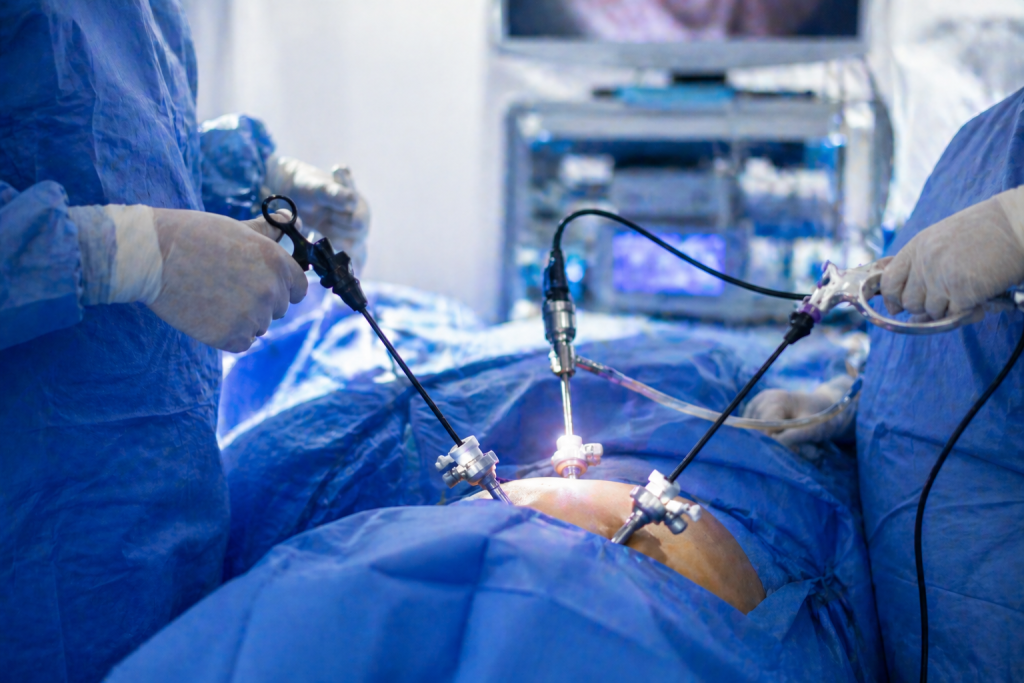
Laparoscopic Sleeve Gastrectomy (VSG)
A safe, effective, minimally invasive tool for lasting weight loss.
Understanding Obesity as a Chronic Disease
Obesity is not a character flaw, a simple matter of willpower, or a temporary setback. It is a chronic, progressive disease that affects every major system in the body and can shorten life expectancy by years. When someone has lived with severe or long-standing obesity, the problem is rarely behavioral alone. It is physiological. People’s hunger hormones, metabolism, energy balance, and fat-storage pathways are actively working against them. And for most patients, no matter how hard they push with diet and exercise, the weight returns.
How Sleeve Gastrectomy Changes the Health Trajectory
Sleeve gastrectomy changes that trajectory.
It is one of the most effective, evidence-based treatments we have for chronic obesity, and it has transformed the health and lives of millions of patients. By reducing stomach volume and modifying the hunger-regulating hormones that drive appetite, the sleeve helps patients achieve a healthier relationship with food, lose weight safely, and maintain that weight loss long-term.
Why Taylor Bariatric Institute
At Taylor Bariatric Institute, sleeve gastrectomy is performed in a dedicated bariatric hospital environment specifically designed for patient safety. With more than 20 years of experience and over 6,000+ bariatric procedures performed, Dr. Jamokay Taylor delivers highly personalized care supported by advanced surgical techniques, a high nurse-to-patient ratio, and a comprehensive postoperative program. The goal is simple: help patients achieve results that truly last.
Risk Versus Remaining Obese
Weight loss surgery is not the risky option. Remaining obese is.
The risks of untreated obesity are far greater than the risks of surgery: diabetes, high blood pressure, sleep apnea, heart disease, joint degeneration, infertility, cancer risk, and reduced lifespan. Bariatric surgery is one of the safest abdominal surgeries performed today, and for the right candidate, sleeve gastrectomy is a powerful, life-extending tool.
Improvements Patients Commonly Experience
Patients who undergo the sleeve often report profound improvements not just in weight, but in confidence, mobility, energy levels, and overall well-being. Many say that surgery did not just help them lose weight. It gave them their life back.
What Sleeve Gastrectomy Helps With (Mini-List)
- Significant weight loss
- Improved diabetes control
- Lower blood pressure and cholesterol
- Better sleep with reduced sleep apnea
- Increased mobility and reduced joint pain
- Enhanced quality of life and longevity
Summary
Sleeve gastrectomy is a minimally invasive laparoscopic procedure that helps patients lose weight safely by reducing stomach volume and lowering hunger hormones. It is performed at Taylor Bariatric Institute within a specialized bariatric hospital environment to maximize safety and outcomes. Most patients experience major improvements in metabolic health, mobility, and overall quality of life. For many, the sleeve becomes the turning point toward long-term wellness.
Understanding the Sleeve Gastrectomy Procedure
Overview and Purpose of the Sleeve
A sleeve gastrectomy is a minimally invasive bariatric procedure that reduces the size of the stomach and changes the way the body regulates appetite and fullness. During the operation, about 80 to 85 percent of the stomach is removed, including the upper curved portion known as the fundus. The remaining stomach is reshaped into a long, narrow tube that resembles a banana or a sleeve, which is where the procedure gets its name.
How the New Stomach Shape Works
This new stomach shape serves several important functions. First, it limits how much food can be eaten at one time. Patients feel full with far smaller portions, and satiety occurs more quickly during meals. Second, by removing the fundus, the procedure significantly reduces the production of ghrelin, which is the primary hunger hormone. Patients often describe a noticeable change in appetite after surgery, with fewer cravings and a calmer relationship with food. Third, because the intestines are not altered or rerouted, the body continues to digest and absorb nutrients in a natural way. This preserves normal gastrointestinal continuity and reduces the long-term nutritional risks associated with more complex procedures.
Laparoscopic Technique and Recovery Advantages
The procedure is performed laparoscopically, which means it is completed using several small incisions rather than a single large incision. Through these incisions, a camera and specialized instruments are used to divide and reshape the stomach with precision. Recovery tends to be faster, pain is reduced, and patients are able to return to normal activities sooner compared to open surgery. The operation typically takes less than an hour in experienced hands.
Why the Sleeve Is Now the Most Common Bariatric Operation
For the right candidate, the sleeve is a powerful, long-term tool for weight loss and health improvement. It has become the most commonly performed bariatric operation in the United States because it combines effectiveness, safety, and simplicity. It preserves normal digestion while offering significant metabolic benefits, making it an excellent option for patients who prefer a more physiologic approach without intestinal bypass.
Key Points About the Sleeve (Mini-List)
- Removes about 80 to 85 percent of the stomach
- Creates a narrow, sleeve-shaped stomach
- Does not involve intestinal rerouting
- Reduces hunger hormones such as ghrelin
- Performed through small incisions with faster recovery
Summary
Sleeve gastrectomy removes most of the stomach and reshapes the remainder into a narrow tube that holds much smaller volumes of food. This results in reduced appetite, smaller meals, and straightforward digestion without intestinal reconstruction. The procedure is minimally invasive, safe, and highly effective for patients who require a durable tool to overcome obesity. It is an excellent option for individuals who want meaningful weight loss without the anatomic complexity of bypass surgery.
Mechanisms Behind Sleeve Gastrectomy
Restriction, Hormonal Change, and Behavior
The sleeve gastrectomy produces weight loss through a combination of physical, hormonal, and behavioral effects. These three mechanisms work together to help patients gain control over their hunger, improve portion sizes, and adopt healthier habits that contribute to long-term weight stability.
Restriction and Early Fullness
The most immediate effect is restriction. With a much smaller stomach volume, patients naturally eat less food at each meal. Fullness occurs sooner, which helps eliminate the large-portion eating patterns that often drive weight gain. Meals become smaller, more structured, and more purposeful. Patients frequently report that they no longer feel the overwhelming urge to overeat, and that their bodies finally cooperate with their intentions.
Hormonal Effects on Appetite
The second effect involves hormones. By removing the portion of the stomach that produces most of the hunger hormone ghrelin, the procedure significantly reduces appetite. Ghrelin is one of the main signals that drive cravings and trigger the constant sense of wanting to eat. After surgery, patients often describe feeling hungry far less often and experiencing a calm, controlled relationship with food. This is not willpower; it is physiology shifting in a helpful direction.
Behavioral Reinforcement and Habit Change
The third effect relates to behavioral reinforcement. When food quantity is limited and hunger signals are quieter, patients naturally begin to make better choices. Structured mealtimes, improved awareness of food quality, slower eating, and more mindful habits emerge. This internal shift creates an environment where long-term lifestyle changes feel achievable rather than exhausting. Over time, these changes support durable weight maintenance.
Preservation of Normal Digestion
The sleeve does not create malabsorption, which means nutrients are absorbed normally. This makes the sleeve appealing to many patients who prefer a more physiologic operation that maintains the natural digestive pathway. It is a powerful tool, but like any tool, its effectiveness depends on how consistently it is used.
Mechanisms of Action (Mini-List)
- Smaller stomach volume encourages smaller meals
- Reduced ghrelin decreases appetite and cravings
- Natural digestion remains intact
- Behavioral patterns shift toward mindful eating
- Supports long-term lifestyle change
Summary
The sleeve works by reducing stomach capacity, lowering hunger hormones, and supporting healthier eating patterns. Patients feel full after much smaller meals and experience fewer cravings, making it easier to adopt structured eating habits. Because digestion remains normal, the procedure maintains a natural physiologic pathway while providing significant metabolic benefit. These combined effects make sleeve gastrectomy a powerful tool for long-term weight management.
Expected Weight Loss After Sleeve Gastrectomy
Typical Weight-Loss Timeline
Sleeve gastrectomy produces powerful and sustainable weight loss for the majority of patients. Most individuals begin losing weight immediately after surgery as portion sizes drop and appetite signals decrease. The first three months are usually the period of fastest weight loss, followed by steady progress over the next nine to twelve months. By twelve to eighteen months, most patients have reached their lowest weight or have begun approaching a stable maintenance phase.
Average Excess Weight Loss (EWL)
On average, patients lose about 50 to 70 percent of their excess body weight, although results vary based on activity level, food choices, and consistency with follow-up care. Patients who embrace regular physical activity and follow the recommended eating guidelines often exceed expectations, while those who rely heavily on high-calorie liquids or frequent snacking may experience slower progress. The sleeve is a tool that works best when paired with lifestyle commitment.
Improvements in Obesity-Related Health Conditions
Metabolic Improvements
The health benefits of weight loss surgery extend far beyond the number on the scale. Many patients experience dramatic improvement or complete resolution of major obesity-related conditions. Diabetes often improves within days of surgery because of metabolic changes triggered by the procedure. Blood pressure decreases as weight drops. Sleep apnea symptoms improve, sometimes allowing patients to discontinue CPAP therapy. Joint pain, mobility limitations, and fatigue often diminish, allowing individuals to resume activities they had previously avoided.
Emotional and Psychological Benefits
Mental health improvements are also common. Patients report higher confidence, improved mood, reduced anxiety, and greater engagement in daily life. For many, the transformation extends into family life, work productivity, and overall quality of life. The sleeve is not simply a weight-loss operation; it is a health-restoring procedure with significant metabolic and emotional benefits.
Importance of Long-Term Maintenance
Long-term maintenance depends on the habits developed during the first year after surgery. Patients who continue structured eating patterns, avoid high-calorie liquids, and maintain physical activity usually preserve most of their weight loss permanently. Regular follow-up with the surgical team is essential to reinforce progress and address challenges early.
Benefits Beyond Weight Loss (Mini-List)
- Improved blood sugar control and reduced medication use
- Lower blood pressure and cholesterol
- Reduced sleep apnea and better sleep quality
- Less joint pain and improved mobility
- Better energy and emotional well-being
Summary
Most patients lose 50 to 70 percent of their excess weight within twelve to eighteen months after sleeve gastrectomy. Many obesity-related conditions improve dramatically, including diabetes, hypertension, and sleep apnea. Emotional and physical quality of life often increases as mobility improves and confidence grows. With long-term lifestyle commitment and follow-up, the health benefits can last a lifetime.
Determining Candidacy for Sleeve Gastrectomy
Matching Patients to the Right Operation
The sleeve gastrectomy is an excellent option for many individuals who are seeking a safe, effective, and durable solution for long-term weight control. However, not everyone benefits equally from every bariatric procedure, which is why patient selection is important. The goal is to match each person with the operation that best fits their physiology, medical conditions, and eating patterns.
Portion Control and Appetite Patterns
Patients who do well with the sleeve often describe themselves as having difficulty with portion control. They are the individuals who eat reasonable foods but in large quantities, or who feel unusually hungry between meals because their hunger signals remain chronically elevated. These patients typically experience strong and lasting success with the sleeve because the procedure directly addresses both the volume of food they can eat and the hormonal drivers of appetite.
Standard Bariatric Criteria
Candidates usually meet the standard medical criteria for bariatric surgery. This includes individuals with a body mass index of 40 or higher, as well as those with a body mass index between 35 and 39.9 who also have significant obesity-related medical conditions such as diabetes, high blood pressure, sleep apnea, or fatty liver disease. Patients with a lower body mass index may qualify for surgery under certain circumstances when metabolic disease is present, but these cases are assessed individually.
Eating Behaviors That Affect Success
It is also important to consider eating behavior. Patients who struggle with high-calorie liquid intake, constant grazing throughout the day, or frequent consumption of sugary foods may not experience the same degree of success with the sleeve unless these habits change. The sleeve reduces hunger, but it does not block the absorption of liquid calories, and it cannot prevent grazing if it becomes habitual. For these individuals, additional coaching or consideration of gastric bypass may sometimes be advised.
Readiness for Lifestyle Change
One of the most important factors in determining candidacy is a patient’s readiness to embrace long-term lifestyle changes. Surgery is not a shortcut, and it is not a temporary fix. It is a powerful tool, but it must be paired with consistent follow-up, mindful eating, and regular activity to achieve lasting success.
Ideal Candidates (Mini-List)
- BMI of 40 or greater
- BMI of 35 to 39.9 with comorbidities
- Patients with portion-control challenges
- Individuals with mild or moderate reflux
- Motivated patients committed to lifestyle change
Less Ideal Candidates (Mini-List)
- Severe reflux or known esophagitis
- Frequent sugar-eaters
- High-calorie liquid drinkers
- Constant grazers
- Individuals with untreated eating disorders
Summary
The best candidates for sleeve gastrectomy are individuals who struggle primarily with portion control and meet standard bariatric criteria based on body mass index and comorbidities. The sleeve is highly effective for patients who are motivated and ready to commit to structured eating patterns. Those who rely heavily on liquid calories, grazing, or sugary foods may require additional support or consideration of bypass. Careful evaluation ensures each patient receives the procedure that best fits their long-term needs.
Why Many Patients Choose the Sleeve
A Safe, Effective, and Widely Performed Procedure
The sleeve gastrectomy has become the most commonly performed bariatric procedure in the United States for good reason. It offers a combination of simplicity, safety, effectiveness, and durability that makes it suitable for a wide range of patients. For individuals seeking a powerful metabolic tool without the anatomical complexity of gastric bypass, the sleeve provides an excellent balance of risk and benefit.
Minimally Invasive Approach and Faster Recovery
One of the most appealing features of the sleeve is that it is performed using minimally invasive laparoscopic techniques. This means smaller incisions, reduced postoperative pain, lower infection risk, and quicker return to normal activities. Most patients stay in the hospital for only one night and resume light activity within days. Recovery is typically smoother than with more complex bariatric procedures.
Preserving the Natural Digestive Pathway
Another major advantage is that the sleeve does not involve intestinal rerouting. The natural pathway of digestion is preserved, which means food follows its usual course through the stomach, small intestine, and colon. This reduces the risk of long-term nutritional deficiencies, internal hernias, and certain complications associated with procedures that bypass part of the small intestine. Patients who value a more physiologic operation often prefer the sleeve for this reason.
Reduced Hunger and Hormonal Benefits
Hunger control is also a significant benefit. Removing the portion of the stomach that produces most of the hunger hormone ghrelin leads to a noticeable reduction in appetite for many patients. This hormonal shift makes it easier to maintain smaller portion sizes and reduces the constant hunger that often sabotages weight loss efforts. Many patients report that the sleeve finally allows their bodies to align with their goals rather than fighting against them.
Metabolic Improvements and Treatment Flexibility
In addition to weight loss, the sleeve offers substantial metabolic improvements. Type 2 diabetes, high blood pressure, high cholesterol, sleep apnea, joint pain, and fatty liver disease often improve or resolve with weight reduction. These benefits translate into improved daily functioning, increased energy, and better long-term health.
For patients who later need an even more powerful metabolic effect or who develop significant reflux that does not respond to treatment, the sleeve can be converted to a gastric bypass. This flexibility is valuable, especially for younger patients who want to preserve future options.
Key Advantages (Mini-List)
- Minimally invasive procedure with small incisions
- Faster recovery compared to more complex surgeries
- No intestinal rerouting
- Lower long-term risk of vitamin deficiencies
- Significant hunger reduction
- Strong improvement in obesity-related conditions
- Option for future conversion if needed
Summary
Sleeve gastrectomy combines effectiveness and safety in a minimally invasive procedure that preserves the natural digestive pathway. Patients experience decreased hunger, improved portion control, and significant improvement in obesity-related health conditions. The sleeve offers a powerful tool for long-term weight control and retains the flexibility of future conversion when medically appropriate. Its balance of benefits makes it a leading choice for many individuals seeking bariatric surgery.
Understanding the Safety of Sleeve Gastrectomy
Overall Safety Compared to the Risks of Obesity
Sleeve gastrectomy is one of the safest abdominal operations performed today, particularly in high-volume bariatric centers. When people consider bariatric surgery, their instinct is often to worry about the risks of the operation. What many do not realize is that the risks of remaining obese are far more dangerous than the risks of surgery itself. Conditions such as diabetes, hypertension, sleep apnea, fatty liver disease, joint degeneration, infertility, and even several cancers become significantly more likely the longer obesity remains untreated. Surgery is a low-risk, high-benefit intervention that decreases long-term health risks, improves quality of life, and increases lifespan.
Surgical Risks Unique to the Sleeve
Staple-Line Leak (Less Than 0.1 Percent)
The most serious complication unique to the sleeve is a leak from the staple line. In experienced hands, the leak rate is less than zero point one percent. This means fewer than one in one thousand patients will experience this complication. When leaks do occur, they can usually be managed with antibiotics, drainage, endoscopic intervention, or a combination of treatments. Early recognition is critical, and patients receive clear instructions regarding symptoms such as fever, persistent pain, or feeling unwell during the early postoperative period.
Major Complications (Less Than 0.2 Percent)
The risk of any major complication from sleeve gastrectomy, including leak, bleeding, infection, or reoperation, is typically less than zero point two percent. This translates to fewer than two in one thousand patients. Bleeding, infection, and stricture formation occur far less frequently than most patients expect. Blood clots are uncommon when preventive measures are followed, and patients are given blood-thinning medication, early ambulation guidelines, and hydration instructions to keep this risk extremely low.
Reflux After Sleeve Gastrectomy (30 to 40 Percent)
Reflux is the most common and most predictable side effect. About three to four out of ten patients, or roughly thirty to forty percent, will experience some degree of reflux after the sleeve. Many of these cases are mild and respond well to medication. However, patients with severe, difficult-to-manage reflux before surgery may not be good candidates for the sleeve. Severe reflux means taking medication multiple times per day, experiencing breakthrough symptoms at night, needing several pillows or sleeping upright to avoid regurgitation, or having documented esophagitis despite treatment. These patients should consider gastric bypass, which provides a strong anti-reflux effect.
Nutritional and Long-Term Considerations
Nutrient Absorption and Supplementation
Nutritional issues are very uncommon with the sleeve because the intestines are not rerouted. Even so, patients must take daily vitamins, calcium, and B12 to support optimal metabolism. Regular lab monitoring ensures that nutritional levels remain in a healthy range.
Why Surgery Is Risk Averse
It is important for patients to understand that bariatric surgery is a risk averse procedure. The risk of a major surgical complication is far lower than the health risks associated with ongoing severe obesity. Untreated obesity significantly increases the likelihood of diabetes, stroke, heart disease, obstructive sleep apnea, joint degeneration, and cancers of the breast, colon, kidney, pancreas, and endometrium. In almost every case, the risk of not having surgery is far greater than the risk of having it. The improvement in quality of life, health, mobility, and longevity far outweighs the relatively small operative risk.
Numerical Risk Overview (Mini-List)
- Leak: less than zero point one percent (fewer than 1 in 1,000)
- Any major complication: less than zero point two percent (fewer than 2 in 1,000)
- Reflux after sleeve: thirty to forty percent (3 to 4 in 10)
- Nutritional deficiencies: uncommon and preventable
- Blood clots: very rare with prevention protocols
Summary
Sleeve gastrectomy has an excellent safety profile with a very low rate of major complications, typically fewer than two in one thousand patients. Leak rates remain under one in one thousand in experienced practices, and nutritional issues are uncommon when vitamins are taken as directed. Reflux is the most predictable risk, affecting three to four out of ten patients, and severe reflux patients are better candidates for gastric bypass. Overall, the risks of untreated obesity are far greater than the risks associated with the sleeve.
Long-Term Lifestyle Principles After Sleeve Gastrectomy
Why Lifestyle Changes Matter
Sleeve gastrectomy is a powerful tool, but it is still a tool. Its long-term success depends on consistent, sustainable lifestyle habits that work together with the procedure. Patients who embrace structured eating, regular physical activity, and routine follow-up visits generally maintain the majority of their weight loss and experience long-lasting health improvement. Those who return to old behaviors such as grazing, drinking high-calorie beverages, or skipping follow-up appointments often see slower progress or even partial weight regain.
Dietary Foundations
Protein as the Primary Focus
One of the most important habits after surgery is adopting a protein-centered diet. Protein supports muscle preservation, metabolism, wound healing, and long-term satiety. Patients are encouraged to prioritize lean protein first at every meal. Vegetables, fruits, and whole foods come next. Starches, high-fat foods, and processed sugars should be minimized. Bread, pasta, rice, and potatoes are particularly dense and tend to occupy limited stomach space without providing meaningful nutrition.
Hydration and Liquid Intake
Hydration is equally essential. Patients must drink water throughout the day in small, frequent sips to prevent dehydration and to support digestion. Beverages such as soda, sweetened tea, fruit juice, and alcohol should be avoided or used sparingly because they contain calories that bypass the sleeve’s restriction. Liquid calories can slow weight loss or cause weight regain even in highly motivated individuals.
Physical Activity and Movement
Building an Active Routine
Exercise is another key component of successful long-term management. Patients should aim for at least three sessions of cardiovascular activity each week, eventually building to five or more sessions as tolerated. Early on, walking is the most important step. Patients who incorporate strength training and movement into their routines often achieve better weight control and improved energy. Movement is not only about weight loss; it is vital for heart health, joint preservation, emotional well-being, and metabolic efficiency.
Importance of Follow-Up Care
Staying Connected to Your Bariatric Team
Follow-up care is the backbone of long-term success. Routine visits provide accountability, guidance, early detection of nutritional issues, and ongoing support for lifestyle change. These visits also reinforce healthy habits and ensure that patients remain aligned with their goals. Bariatric surgery is a long-term partnership, and patients who stay engaged with their surgical team maintain better outcomes.
Lifestyle Commitment After Surgery
Meeting the Surgery Halfway
Sleeve gastrectomy is most effective when patients understand that they must meet the surgery halfway. The operation reduces hunger and limits portion sizes, but it does not eliminate the choices that shape long-term health. With commitment, the sleeve becomes not just a weight-loss procedure but a foundation for lasting transformation.
Core Lifestyle Habits (Mini-List)
- Prioritize lean protein first at every meal
- Limit bread, rice, pasta, potatoes, and processed foods
- Eliminate or avoid caloric beverages
- Exercise at least three times per week
- Attend all scheduled follow-up appointments
Summary
The sleeve is highly effective when paired with consistent lifestyle habits centered on protein intake, hydration, and regular physical activity. Avoiding liquid calories and minimizing processed foods are essential for preventing weight regain. Routine follow-up visits help reinforce healthy choices and ensure nutritional stability. With commitment, the sleeve supports long-term metabolic health and lasting weight control.
Long-Term Lifestyle Principles After Sleeve Gastrectomy
Why Lifestyle Changes Matter
Sleeve gastrectomy is a powerful tool, but it is still a tool. Its long-term success depends on consistent, sustainable lifestyle habits that work together with the procedure. Patients who embrace structured eating, regular physical activity, and routine follow-up visits generally maintain the majority of their weight loss and experience long-lasting health improvement. Those who return to old behaviors such as grazing, drinking high-calorie beverages, or skipping follow-up appointments often see slower progress or even partial weight regain.
Dietary Foundations
Protein as the Primary Focus
One of the most important habits after surgery is adopting a protein-centered diet. Protein supports muscle preservation, metabolism, wound healing, and long-term satiety. Patients are encouraged to prioritize lean protein first at every meal. Vegetables, fruits, and whole foods come next. Starches, high-fat foods, and processed sugars should be minimized. Bread, pasta, rice, and potatoes are particularly dense and tend to occupy limited stomach space without providing meaningful nutrition.
Hydration and Liquid Intake
Hydration is equally essential. Patients must drink water throughout the day in small, frequent sips to prevent dehydration and to support digestion. Beverages such as soda, sweetened tea, fruit juice, and alcohol should be avoided or used sparingly because they contain calories that bypass the sleeve’s restriction. Liquid calories can slow weight loss or cause weight regain even in highly motivated individuals.
Physical Activity and Movement
Building an Active Routine
Exercise is another key component of successful long-term management. Patients should aim for at least three sessions of cardiovascular activity each week, eventually building to five or more sessions as tolerated. Early on, walking is the most important step. Patients who incorporate strength training and movement into their routines often achieve better weight control and improved energy. Movement is not only about weight loss; it is vital for heart health, joint preservation, emotional well-being, and metabolic efficiency.
Importance of Follow-Up Care
Staying Connected to Your Bariatric Team
Follow-up care is the backbone of long-term success. Routine visits provide accountability, guidance, early detection of nutritional issues, and ongoing support for lifestyle change. These visits also reinforce healthy habits and ensure that patients remain aligned with their goals. Bariatric surgery is a long-term partnership, and patients who stay engaged with their surgical team maintain better outcomes.
Lifestyle Commitment After Surgery
Meeting the Surgery Halfway
Sleeve gastrectomy is most effective when patients understand that they must meet the surgery halfway. The operation reduces hunger and limits portion sizes, but it does not eliminate the choices that shape long-term health. With commitment, the sleeve becomes not just a weight-loss procedure but a foundation for lasting transformation.
Core Lifestyle Habits (Mini-List)
- Prioritize lean protein first at every meal
- Limit bread, rice, pasta, potatoes, and processed foods
- Eliminate or avoid caloric beverages
- Exercise at least three times per week
- Attend all scheduled follow-up appointments
Summary
The sleeve is highly effective when paired with consistent lifestyle habits centered on protein intake, hydration, and regular physical activity. Avoiding liquid calories and minimizing processed foods are essential for preventing weight regain. Routine follow-up visits help reinforce healthy choices and ensure nutritional stability. With commitment, the sleeve supports long-term metabolic health and lasting weight control.
Comparing Sleeve Gastrectomy and Gastric Bypass
Overview of Both Procedures
Sleeve gastrectomy and gastric bypass are the two most commonly performed bariatric procedures in the United States. Both operations are powerful metabolic tools, and both can lead to significant weight loss and improvement in obesity-related medical conditions. However, they differ in anatomy, physiology, and suitability for certain patients. Understanding the distinctions helps ensure that each individual receives the procedure that best matches their medical needs and long-term goals.
Advantages of the Sleeve Compared to Bypass
Simpler Anatomy and Preservation of Digestion
The sleeve is a simpler operation in terms of anatomy because it does not involve rerouting the intestines. Food continues to pass through the stomach, into the small intestine, and along the normal digestive pathway. This makes the sleeve a more physiologic option and reduces the risk of long-term vitamin deficiencies, internal hernias, and certain complications associated with intestinal bypass. Patients concerned about maintaining the most natural digestive process often find the sleeve appealing.
Advantages of the Gastric Bypass Compared to Sleeve
Stronger Metabolic Effects and Anti-Reflux Benefits
The gastric bypass, in contrast, offers stronger metabolic effects. It not only restricts how much a patient can eat but also partially bypasses the upper portion of the small intestine. This creates a more powerful hormonal and metabolic response, which makes the bypass especially effective for resolving type 2 diabetes, reducing severe reflux, and supporting weight loss in individuals with more complex metabolic needs. Because it reroutes the gastrointestinal pathway, the bypass requires more long-term vitamin monitoring and adherence to supplementation.
Reflux as a Key Deciding Factor
When Reflux Favors the Gastric Bypass
Reflux is a key factor in choosing between the two procedures. The sleeve can worsen reflux in some individuals and should be used cautiously in patients with severe, difficult-to-treat reflux. The bypass, however, has a strong anti-reflux effect and is often recommended when reflux is a major concern. Patients who require two or more reflux medications per day, have nighttime regurgitation, or need several pillows to sleep comfortably are often better served by gastric bypass.
Weight-Loss Results
Expected Outcomes from Each Procedure
Both procedures provide effective weight loss. The sleeve frequently results in 50 to 70 percent excess body weight loss, while the bypass averages 60 to 80 percent. However, long-term success is influenced more by lifestyle adherence than by the specific operation chosen. The choice between sleeve and bypass is individualized and based on anatomy, symptoms, medical history, and personal goals.
When the Sleeve Is Preferred (Mini-List)
- Patients wanting a simpler, more physiologic procedure
- Those with mild or no reflux
- Patients with strong portion-control challenges
- Individuals concerned about long-term nutritional complexity
When Bypass Is Preferred (Mini-List)
- Severe reflux
- Poorly controlled diabetes
- Need for stronger metabolic effect
- History of difficult weight loss
- Patients requiring revision for weight regain
Summary
The sleeve and gastric bypass are both effective bariatric procedures, but they serve different needs. The sleeve is simpler and preserves normal digestion, while the bypass provides stronger metabolic improvement and superior control of reflux. Patients with severe reflux or advanced diabetes usually benefit more from the bypass. The decision is personalized and based on anatomy, symptoms, and long-term goals.
Experience, Safety, and Personalized Care
High Surgical Volume and Proven Expertise
Choosing the right bariatric program is just as important as choosing the right bariatric procedure. Sleeve gastrectomy is a safe and effective operation, but the outcomes are strongly influenced by the experience of the surgeon and the environment in which the procedure is performed. At Taylor Bariatric Institute, patients receive care in a dedicated bariatric hospital setting designed to optimize safety, comfort, and long-term support.
Dr. Jamokay Taylor brings more than twenty years of bariatric experience and has performed over 6000+ bariatric procedures. This level of experience matters. High-volume surgeons consistently achieve lower complication rates, shorter operating times, and more predictable outcomes. Patients benefit from a surgeon who not only performs the operation but also understands the unique challenges of obesity, the psychology of eating behavior, and the long-term journey of weight management.
Advantages of a Specialty Bariatric Hospital
Bariatric-Trained Staff and Optimal Support Systems
The hospital environment is another significant advantage. Taylor Bariatric Institute operates inside a specialty hospital that focuses on bariatric and minimally invasive surgery. This means that the nursing staff, anesthesia providers, and support teams are trained extensively in bariatric care. The nurse-to-patient ratio is higher than in most general hospitals, which enhances safety and postoperative recovery. Equipment is specifically designed for bariatric patients, and protocols are tailored to reduce complications and support early mobility.
Comprehensive Long-Term Follow-Up
Structured Program Designed for Success
Patients also benefit from a comprehensive follow-up program. Routine visits at two weeks, six weeks, three months, six months, nine months, one year, and annually thereafter allow the team to monitor nutritional status, reinforce healthy habits, and address concerns early. Long-term support is a major predictor of success, and the program is structured to keep patients engaged and progressing.
Emphasis on Education and Preparation
Clear Expectations Before Surgery
The practice places strong emphasis on education. Before surgery, patients attend a seminar and consultation that explain the anatomy, physiology, risks, benefits, lifestyle requirements, and long-term expectations for sleeve gastrectomy. This clarity helps patients make informed decisions and approach surgery with confidence.
Individualized Care Approach
Tailoring the Operation to Each Patient
Another advantage is the individualized approach to care. Bariatric surgery is not one-size-fits-all, and each patient brings unique medical, psychological, and lifestyle needs. Dr. Taylor evaluates each case personally, tailoring recommendations based on anatomy, symptoms, eating patterns, and long-term goals. This personalized approach leads to safer, more predictable, and more satisfying outcomes.
What Sets Taylor Bariatric Institute Apart (Mini-List)
- More than twenty years of bariatric experience
- Over 6000+ bariatric procedures performed
- Specialty hospital environment
- High nurse-to-patient ratios
- No trainees operating on patients
- Comprehensive long-term follow-up
- Emphasis on individualized care
Summary
Taylor Bariatric Institute offers a combination of high surgical experience, specialized hospital care, and strong long-term follow-up. Patients benefit from a dedicated bariatric environment with staff trained specifically in bariatric safety and recovery. Dr. Taylor’s personalized approach ensures each patient receives the procedure that best matches their medical needs and long-term goals. This comprehensive model consistently leads to excellent outcomes and high patient satisfaction.
Preparing Safely and Thoroughly for Sleeve Gastrectomy
A Structured, Step-by-Step Preparation
Preparing for sleeve gastrectomy is an organized, step-by-step process designed to ensure safety, meet insurance requirements, and establish a foundation for long-term success. Every patient arrives at surgery with unique medical needs, health histories, and lifestyle patterns, so the preoperative evaluation is tailored to identify risks early and create a personalized plan. At Taylor Bariatric Institute, this process is structured, thorough, and supported by a dedicated bariatric team.
Consultation and Initial Evaluation
Reviewing Medical History and Goals
The first step is the consultation, during which Dr. Taylor reviews medical history, current medications, prior surgeries, eating patterns, and goals. This visit helps determine whether the sleeve is the best match for the patient’s physiology and long-term needs. Patients also receive an overview of the operation, the expected recovery, the postoperative dietary plan, and the long-term commitments required for success. This early clarity helps patients make confident, informed decisions.
Insurance Requirements and Documentation
Gathering the Necessary Information
Insurance authorization is an important part of the preparation. Most insurance plans require documentation of obesity-related medical conditions and sometimes supervised weight-loss attempts. Patients may need a letter from their primary care physician, evidence of dietitian visits, or documentation of prior weight-loss strategies. The team helps gather and submit all required paperwork to avoid delays.
Psychological Evaluation
Assessing Readiness and Support Needs
A psychological evaluation is recommended or required by most insurers. This assessment is not a barrier to surgery but rather a supportive measure to ensure that patients have appropriate expectations, understand the lifestyle changes ahead, and are emotionally prepared for the journey. It also identifies any concerns that may benefit from additional support before or after surgery.
Preoperative Medical Optimization
Nicotine Testing and Endoscopy When Indicated
Nicotine testing is required, as nicotine increases the risk of complications such as poor wound healing and leaks. Patients must be nicotine-free for a minimum period before surgery, and testing ensures a safe operative environment. In addition, an upper endoscopy may be ordered to evaluate the stomach and esophagus for inflammation, ulcers, or undiagnosed reflux. This helps confirm that the sleeve is the appropriate procedure.
Pre-Admission Testing
Final Tests Before Surgery
Pre-admission testing completes the preparation and includes blood work, an electrocardiogram, and in some cases, imaging studies. These tests confirm that the patient is medically optimized for anesthesia and surgery. Clear instructions are provided regarding fluid intake, diet adjustments, and medication management in the days leading up to the operation.
Preparing for Success on Surgery Day
Arriving Confident and Informed
By the time surgery day arrives, patients have a clear understanding of what to expect and feel prepared for the transition ahead. The structured preoperative process supports safety, reduces stress, and lays the groundwork for a successful long-term outcome.
Key Steps in Preoperative Preparation (Mini-List)
- Consultation and medical evaluation
- Insurance authorization
- Psychological assessment
- Nicotine testing
- Upper endoscopy when indicated
- Pre-admission testing
- Preoperative instructions and education
Summary
The preoperative process ensures that every patient is medically prepared, well-informed, and emotionally ready for sleeve gastrectomy. Insurance authorization, psychological evaluation, nicotine testing, and pre-admission studies are completed to support safety and appropriate selection. Endoscopy is used when needed to confirm that the sleeve is the optimal choice. By surgery day, patients have a clear plan and strong support in place.
Immediate Recovery After Sleeve Gastrectomy
Hospital Stay and Early Mobility
Recovery after sleeve gastrectomy is typically smooth, predictable, and supported by a structured postoperative plan. Most patients stay in the hospital for one night. The nursing team focuses on comfort, mobility, hydration, and early recognition of any concerns. Because the procedure is performed laparoscopically, pain is usually manageable with oral medications, and most patients are able to walk on the evening of surgery.
First Days at Home
Hydration, Rest, and Gentle Activity
In the first few days at home, the primary goals are hydration, gentle movement, and rest. Patients are encouraged to take small, frequent sips of water throughout the day to prevent dehydration. Walking several times daily helps reduce the risk of blood clots and promotes bowel function. Pain continues to improve quickly, and most individuals feel significantly better by the end of the first week.
Diet Progression
Liquid to Soft Foods to Structured Meals
Diet progression after surgery follows a structured timeline to protect the healing stomach. For the first two weeks, patients follow a liquid diet that includes water, broth, sugar-free beverages, protein shakes, and other approved liquids. This gives the staple line time to heal. In weeks three through six, patients transition to soft, smooth foods such as yogurt, cottage cheese, tender fish, scrambled eggs, and puréed vegetables. After six weeks, most patients begin reintroducing solid foods in small, carefully chewed portions. Lean protein remains the priority at every meal.
Return to Work and Activity
Gradual Increase in Physical Activity
Activity also increases in stages. Walking begins immediately and should continue daily. Most patients can resume office-based work within two weeks. Strenuous activity, heavy lifting, and intense exercise usually wait until four to six weeks, depending on individual recovery. By six to eight weeks, most patients are able to return to full activity levels.
Follow-Up Schedule
Regular Appointments to Support Safe Progress
The follow-up schedule is an essential part of recovery. Patients are seen at two weeks, six weeks, three months, six months, nine months, one year, and annually after that. These visits ensure that weight loss is progressing appropriately, nutritional status remains stable, and any challenges are addressed early. Vitamin supplementation, hydration, and protein intake are reviewed at each appointment.
Early Physical and Emotional Changes
Improvements Patients Commonly Notice
As weight begins to drop, patients often experience improved mobility, better sleep, reduced joint pain, and increased energy. Emotional and psychological benefits are also common as clothes fit differently, medications decrease, and daily activities feel easier. These early changes reinforce the long-term lifestyle habits that maintain weight loss.
Early Recovery Highlights (Mini-List)
- One-night hospital stay for most patients
- Manageable discomfort with oral medication
- Walking on the day of surgery
- Two-week liquid diet, followed by soft foods
- Gradual return to full activity by six to eight weeks
Summary
Recovery after sleeve gastrectomy is straightforward and supported by clear dietary and activity guidelines. Patients follow a phased diet, increase movement daily, and attend routine follow-up visits to ensure safe progress. Most individuals return to work within two weeks and resume full activity by four to six weeks. As weight decreases, improvements in energy, mobility, and overall health become noticeable.
Physical, Emotional, and Metabolic Improvements
A Turning Point for Many Patients
Patients often describe sleeve gastrectomy as the turning point in their lives, a moment when their health trajectory finally shifted in the right direction. While the number on the scale is important, the deeper impact lies in how patients feel, move, breathe, sleep, and engage with the world around them. Many individuals report that they gain energy, confidence, and freedom they did not realize they had lost. Daily activities become easier, clothing fits differently, medications decrease, and life begins to feel more manageable.
Physical Transformation and Mobility Gains
Physical transformations vary from person to person, but common experiences include improved mobility, reduced joint pain, better stamina, and significant relief from shortness of breath with activity. Many patients find that they can return to hobbies, exercise, travel, and work duties that previously felt overwhelming. These changes are not simply cosmetic. They reflect real improvement in metabolic health, cardiovascular efficiency, and overall functioning.
Emotional and Psychological Transformation
Emotional transformation is equally important. As the weight comes off and health improves, many patients report renewed self-esteem, reduced anxiety, improved mood, and a greater sense of agency over their lives. For some, the surgery acts as a reset point that allows them to finally break free from the discouraging cycle of weight loss and regain. The reduction in hunger and cravings helps patients feel more in control, which strengthens motivation and reinforces positive behaviors.
Inspiration Through Before and After Progress
Patients often share their before and after photos to document their progress. These images can be encouraging for new patients who are trying to imagine their own possibilities. While every journey is unique, the common thread is that patients who commit to the lifestyle habits and follow-up schedule experience meaningful, long-term benefits that go far beyond weight loss.
The True Meaning of Transformation
The transformation process is not about achieving perfection. It is about regaining health, mobility, and confidence. It is about creating a life that feels better physically and emotionally, with improved relationships, increased productivity, and a renewed sense of hope. Sleeve gastrectomy provides the tool, but the transformation belongs to the patient.
Common Patient Improvements (Mini-List)
- Better mobility and reduced joint pain
- Improved sleep quality and decreased sleep apnea symptoms
- Decreased or discontinued diabetes and blood pressure medications
- Higher energy, confidence, and emotional well-being
- Significant long-term weight reduction
Summary
Sleeve gastrectomy often leads to life-changing improvements in physical, emotional, and metabolic health. Patients experience increased mobility, reduced pain, better sleep, and improved confidence as weight decreases. Before and after photos help demonstrate these successes and inspire new patients. The most profound transformation comes from the return of health and the ability to live life more fully.
Begin Your Journey Toward Better Health
A New Path Forward
Sleeve gastrectomy is more than a procedure. It is an opportunity to regain control of your health, your energy, and your future. If you have struggled with weight for years despite repeated attempts with diet, exercise, or medication, it may be time to consider a tool that works with your body rather than against it. The sleeve can provide the structure, hormonal balance, and support needed to achieve long-term success.
Support at Every Step
A Dedicated Bariatric Program
At Taylor Bariatric Institute, every patient is guided through a structured, personalized program designed to maximize safety, comfort, and results. From your first consultation to your long-term follow-up visits, our team is committed to providing the education, support, and expertise necessary for a successful transformation. You do not have to navigate this journey alone. With the right tools and the right team, meaningful change becomes possible.
Connect With Our Team
Ready When You Are
If you are ready to take the next step, or even if you are simply curious about whether sleeve gastrectomy may be right for you, we welcome you to reach out. Our team is here to answer your questions, review your insurance benefits, and help you explore your options in a supportive, no-pressure environment. A healthier life begins with a single decision, and we are here to help you make it with confidence.
Next Steps (Mini-List)
- Schedule your one-on-one consultation
- Attend our informational seminar
- Verify your insurance benefits
- Ask questions and explore your options
Summary
The sleeve provides a powerful tool for long-term weight loss and improved metabolic health. Taylor Bariatric Institute offers expert surgical care and comprehensive support to guide each patient through the process. If you are ready for a healthier future, our team is here to help you take the next step. Your journey begins when you reach out.
Frequently Asked Questions About Sleeve Gastrectomy
How much weight can I expect to lose after sleeve surgery?
Most patients lose about 50 to 70 percent of their excess body weight over 12 to 18 months. Results depend on diet, exercise, and consistency with follow-up.
Will I still feel hungry after the sleeve?
Most patients have significantly reduced hunger because the sleeve removes the part of the stomach that produces ghrelin, the hunger hormone. Hunger usually returns gradually, but at a lower level.
Does the sleeve help with diabetes or high blood pressure?
Yes. Many patients experience major improvements or remission in diabetes, high blood pressure, and cholesterol because of weight loss and metabolic changes.
Can sleeve surgery worsen acid reflux?
It can. About 20 to 30 percent of patients may develop or experience worsening reflux. Severe reflux may require conversion to a gastric bypass.
How long is recovery after sleeve surgery?
Most patients return to desk work in 1–2 weeks and regular activity in 4–6 weeks. Walking begins the same day.
Will I need vitamins after sleeve surgery?
Yes. All bariatric patients need lifelong vitamin supplementation to prevent deficiencies.